


The 10 Best Foodie Destinations for 2026, The global culinary landscape is shifting rapidly as we move through 2026. While classic cities like Paris and Rome always hold a certain charm, adventurous travelers are seeking fresh flavors. Today’s foodies crave authenticity, sustainability, and unique regional ingredients that tell a story. This year, several rising stars have claimed their spot on the must-visit list for gourmands.
What’s interesting is that many of these destinations prioritize “farm-to-fork” philosophies over traditional fine dining. Travelers now value the connection between the land and the plate more than ever before. From the high altitudes of the Andes to the coastal villages of Southeast Asia, the world is full of hidden gems. Exploring these cities allows you to taste the future of global gastronomy while supporting local communities.
Furthermore, these destinations offer incredible value and a more intimate dining experience. You won’t find the massive tourist crowds that often dilute the quality of famous European hubs. Instead, you will find passionate chefs who are redefining their heritage through innovative cooking techniques. Let’s dive into the ten best places to satisfy your cravings this year.

1. Lima, Peru: The Undisputed Capital of Flavor
Lima continues to dominate the global food scene with its incredible biodiversity and coastal bounty. The city serves as a melting pot where indigenous Andean traditions meet Japanese and Chinese influences. This unique fusion, known as Nikkei and Chifa, creates flavors you simply cannot find anywhere else. Chefs here utilize ingredients from the Amazon rainforest and the high mountains to create masterpieces.
Furthermore, the local markets offer a sensory explosion for any visitor. You can sample dozens of varieties of corn, potatoes, and exotic fruits that never reach international shores. The ceviche remains the gold standard, prepared with the freshest catch from the Pacific Ocean. Lima is not just a stopover; it is a pilgrimage site for anyone serious about high-quality ingredients.
2. Osaka, Japan: The Nation’s Kitchen Reimagined
While Tokyo often gets the spotlight, Osaka remains the true heart of Japan’s food culture. Known locally as “the city that eats until it drops,” Osaka focuses on soul food and street snacks. In 2026, the city has refined its legendary street food districts into sophisticated culinary hubs. You can find Michelin-starred takoyaki stands nestled right next to high-end kaiseki restaurants.
In addition, the city’s late-night dining culture is unrivaled. Small izakayas serve incredible grilled meats and seasonal vegetables to a lively crowd of locals and tourists. What’s interesting is the rise of “modern-washoku,” which blends traditional Japanese principles with contemporary global plating. Osaka offers a perfect balance between grit and refinement that keeps every meal exciting.
3. Mexico City, Mexico: A Deep Dive into Heirloom Corn
Mexico City has transformed into a sophisticated epicenter for modern Mexican cuisine. The city’s chefs are leading a movement to preserve heirloom corn varieties through specialized “molinos” or mills. You can taste the difference in every hand-pressed tortilla and decadent tamale found across the city. Beyond the street tacos, a new wave of upscale dining focuses on pre-Hispanic ingredients like insects and agave.
Furthermore, the beverage scene in Mexico City has reached new heights this year. Mezcal bars and specialized coffee shops are popping up in every trendy neighborhood like Roma and Condesa. These establishments often work directly with small-scale producers to ensure the highest quality and fair trade. Dining here feels like an educational journey through Mexico’s vast and colorful history.
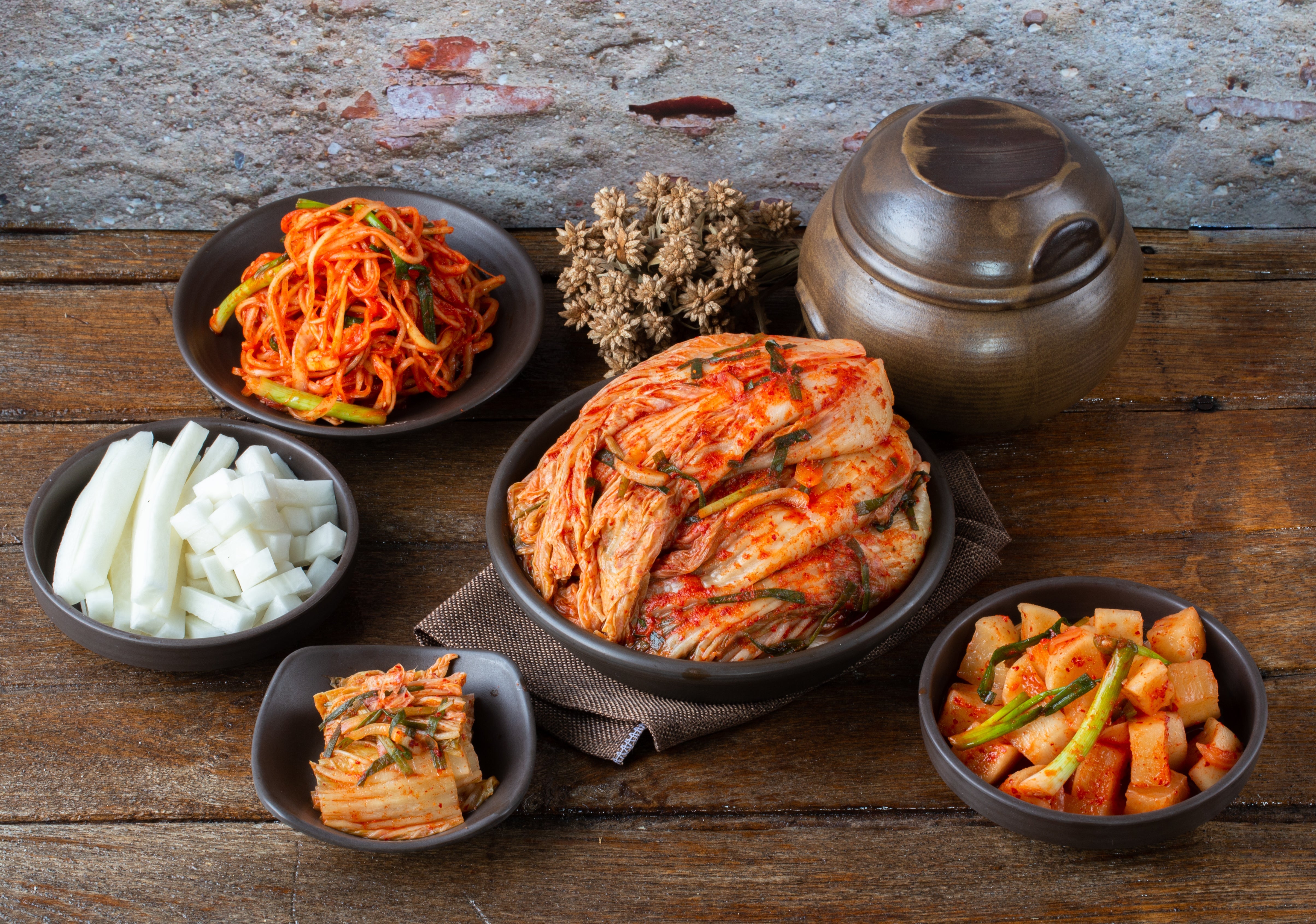
4. Seoul, South Korea: Fermentation Meets Innovation
Seoul is currently experiencing a culinary renaissance that blends ancient fermentation with cutting-edge technology. The city’s food scene has moved far beyond Korean BBQ and spicy fried chicken. In 2026, many restaurants are focusing on “temple food,” which emphasizes plant-based ingredients and mindfulness. This healthy approach to eating has gained massive international popularity for its complex and earthy flavors.
In addition, the high-tech delivery systems in Seoul have changed how people experience gourmet food. You can order high-quality, chef-prepared meals to almost any public park or riverbank with ease. This convenience has fostered a vibrant outdoor dining culture that is unique to the Korean capital. Seoul remains a top destination for those who want to see where food technology is heading.
5. Cape Town, South Africa: Coastal Sophistication
Cape Town offers a stunning backdrop for one of the world’s most diverse food scenes. The city benefits from fertile lands and a rich maritime history that brings global spices to the table. Local chefs are currently focusing on “fynbos” cuisine, utilizing indigenous plants found only in the Western Cape. This leads to floral, herbal, and woody flavors that provide a true sense of place.
Furthermore, the surrounding Winelands provide some of the best wine pairings on the planet. Many estates have opened world-class restaurants that overlook the rolling vineyards and rugged mountains. What’s interesting is the focus on sustainable seafood and ethical farming practices across the region. Cape Town is a leader in showing how luxury and environmental responsibility can coexist.
6. Tbilisi, Georgia: The Ancient Wine Frontier
Georgia is widely considered the cradle of wine, and its capital, Tbilisi, is a must-visit for oenophiles. The city’s food culture is built around the “supra,” a traditional feast led by a toastmaster. You will find tables laden with khinkali (dumplings) and khachapuri (cheese-filled bread) that are both comforting and delicious. The use of walnuts, pomegranate, and fresh herbs creates a flavor profile that is distinct and addictive.
In addition, the natural wine movement has found its spiritual home in the small bars of Tbilisi. Most local winemakers still use “qvevri,” large clay jars buried underground, to ferment their grapes. This ancient method produces amber wines with incredible depth and texture. Tbilisi offers an authentic, old-world experience that feels untouched by modern commercialism.
7. Bangkok, Thailand: Beyond the Pad Thai
Bangkok remains a heavy hitter, but in 2026, the focus has shifted to regional micro-cuisines. Foodies are now exploring the fiery flavors of Isan or the rich, coconut-based curries of the South. The city’s fine-dining scene has also exploded, with several restaurants ranking among the best in Asia. These chefs use traditional techniques to elevate humble ingredients into stunning, multi-course tasting menus.
Furthermore, the night markets continue to be a playground for adventurous eaters. You can find everything from charcoal-grilled seafood to creative desserts made with pandan and sticky rice. What’s interesting is how young Thai chefs are returning to their roots after training abroad. They bring global perspectives to local ingredients, creating a dynamic and evolving food landscape.
8. Lisbon, Portugal: A Seafood Sanctuary
Lisbon has stepped out of the shadow of other European capitals to become a premier foodie destination. The city’s proximity to the Atlantic ensures a constant supply of world-class sardines, octopus, and bacalhau. While the traditional tinned fish shops remain popular, new restaurants are reimagining these ingredients. You will find innovative seafood charcuterie and wood-fired fish that highlight the natural sweetness of the catch.
In addition, the pastry culture in Lisbon is legendary and continues to draw massive crowds. The pastel de nata is the star, but 2026 has seen a rise in creative reinterpretations of these classics. Local bakeries are experimenting with different fillings and crusts to keep the tradition alive. Lisbon offers a relaxed, sun-drenched atmosphere that makes every meal feel like a celebration.
:max_bytes(150000):strip_icc()/6-Vital-Canadian-Restaurants-FT-4-MAG1223-02cac008b2a443428cec874ac6339c36.jpg)
9. Montreal, Canada: A North American Fusion
Montreal offers a unique blend of French heritage and diverse immigrant influences that creates a vibrant food scene. The city is famous for its bagels and smoked meat, but there is so much more to discover. In 2026, the “Quebecois” identity is being expressed through cold-climate ingredients and foraging. Chefs are using maple, spruce, and wild berries to create sophisticated dishes that celebrate the Canadian wilderness.
Furthermore, the city’s neighborhood bistros offer some of the best casual dining in North America. These spots focus on seasonal menus and natural wines, creating a cozy and welcoming vibe. What’s interesting is the rise of the Middle Eastern and North African food scenes in the city. Montreal is a true melting pot where different cultures share the table in harmony.
10. Ho Chi Minh City, Vietnam: The Coffee and Street Food Hub
Ho Chi Minh City, formerly known as Saigon, is a high-energy destination for anyone who loves bold flavors. The street food culture here is a lifestyle, with thousands of vendors lining the busy sidewalks. In 2026, the city has also become a global leader in specialty coffee production. You can spend your days hopping between stylish cafes serving unique “egg coffee” or robust robusta brews.
In addition, the city’s French colonial past has left a lasting mark on its culinary identity. The banh mi is perhaps the most famous example, blending crusty baguettes with savory Vietnamese fillings. Local chefs are now pushing the boundaries by incorporating high-end ingredients into these street food classics. Ho Chi Minh City is a place where tradition and modernization collide in the most delicious way possible.


More Stories
Ever Tried a Pizza That Hugs Back: Delicious Bites
Delicious Discoveries: Your Ultimate Food Guide
Tasty Recipes You Haven’t Tried—Yet!