


:max_bytes(150000):strip_icc()/GettyImages-2158701421-504a8868573a4bee932fd1df5c2ace14.jpg?w=1024&resize=1024,0&ssl=1 "Why SpaceX is Betting Everything on a Mars Colony")
Why SpaceX is Betting Everything on a Mars Colony, The dream of reaching Mars has moved from science fiction into a multi-billion-dollar reality. SpaceX stands at the forefront of this ambitious journey with a singular focus on planetary colonization. Elon Musk founded the company in 2002 with the explicit goal of making life multi-planetary. This mission drives every technical decision and financial investment within the organization today.
What’s interesting is that SpaceX does not view Mars as a mere scientific outpost. Instead, the company envisions a self-sustaining city with a million residents living and working there. This bold vision requires a total rethinking of how we build rockets and manage space logistics. While the challenges are immense, the momentum behind the Starship program suggests a historic shift is occurring.
Furthermore, the drive to colonize Mars serves as a cosmic insurance policy for humanity. SpaceX leaders frequently argue that a multi-planetary species has a much higher chance of long-term survival. Natural or human-made disasters on Earth could threaten the continuity of our civilization at any time. By establishing a second home, humanity can preserve its knowledge, culture, and biological diversity.
/https://tf-cmsv2-smithsonianmag-media.s3.amazonaws.com/filer/cc/19/cc1906c5-474e-41e3-b9fb-4f0df9a920ad/futuremarsp288.jpg)
The Technological Backbone of the Red Planet Mission
The Starship launch system represents the core technology designed to make the Mars colony possible. This massive, fully reusable spacecraft stands as the most powerful rocket ever built by human hands. Unlike previous rockets, Starship can carry over 100 tons of cargo to deep space destinations. Reusability remains the most critical factor in reducing the astronomical costs associated with space travel.
In addition, SpaceX is perfecting the art of rapid turnaround for its launch vehicles. The company aims to launch, land, and relaunch Starships multiple times within a single day. This operational cadence mimics the efficiency of modern commercial airlines rather than traditional space agencies. Such high-frequency travel is essential for transporting the thousands of tons of material Mars requires.
Furthermore, the Raptor engine technology provides the literal thrust needed to escape Earth’s deep gravity well. These engines use liquid methane and liquid oxygen as propellant, which is a strategic choice. Engineers selected this specific fuel combination because they can eventually produce it directly on the Martian surface. This “live off the land” approach eliminates the need to carry return fuel from Earth.
Building a Sustainable Economy Beyond Earth
Establishing a colony requires more than just a rocket; it requires a functioning economic model. SpaceX utilizes its Starlink satellite internet constellation to fund its ambitious Martian aspirations. The revenue generated from global internet services provides the necessary capital for Starship development and testing. This clever financial strategy ensures that the company remains independent of fluctuating government budgets.
In addition, SpaceX is fostering a secondary market of partners and contractors for Martian infrastructure. Private companies are already designing habitats, rovers, and life support systems specifically for the Red Planet. This growing ecosystem suggests that the Mars mission is becoming a broader commercial endeavor. As costs fall, more players will find it profitable to participate in the new space economy.
What’s interesting is that the initial Mars missions will focus heavily on resource extraction and processing. Future colonists must mine Martian ice to provide water and create breathable oxygen for the inhabitants. These early industrial activities will form the foundation of a local economy based on survival and expansion. Over time, this could evolve into specialized manufacturing that benefits both Earth and Mars.
Overcoming the Biological and Environmental Hurdles
The journey to Mars presents significant health risks that SpaceX must address for its passengers. Long-duration spaceflight exposes the human body to high levels of cosmic radiation and prolonged microgravity. Scientists at the company are investigating advanced shielding materials and medical protocols to protect the crew. Maintaining human health is just as important as maintaining the integrity of the spacecraft itself.
Furthermore, the Martian environment is incredibly hostile with its thin atmosphere and freezing temperatures. Average temperatures on the surface hover around minus 80 degrees Fahrenheit, requiring highly efficient insulation. Colonists will likely live in underground habitats or specialized domes designed to block harmful ultraviolet rays. These living quarters must also provide a psychological sense of normalcy for the long-term residents.
In addition, the psychological toll of being millions of miles from home cannot be ignored. SpaceX plans to include high-speed communication links to keep colonists connected with their families on Earth. High-bandwidth data transfers will allow for real-time entertainment, news, and personal video calls despite the distance. Creating a sense of community will be vital for the success of the first permanent settlement.
The Role of Starbase and the Path to the First Landing
The development facility in Boca Chica, Texas, known as Starbase, serves as the heart of production. Here, teams work around the clock to iterate on Starship prototypes at an unprecedented pace. SpaceX embraces a “fail fast” philosophy where explosions during testing are seen as valuable learning opportunities. This rapid prototyping allows for much faster innovation than traditional, risk-averse engineering methods.
Furthermore, the company has already secured contracts with NASA to use Starship for lunar landings. The Artemis program will serve as a critical proving ground for the technology needed for Mars. By landing humans on the Moon first, SpaceX can refine its deep-space navigation and landing systems. Success on the lunar surface will provide the ultimate confidence boost for the subsequent Martian journey.
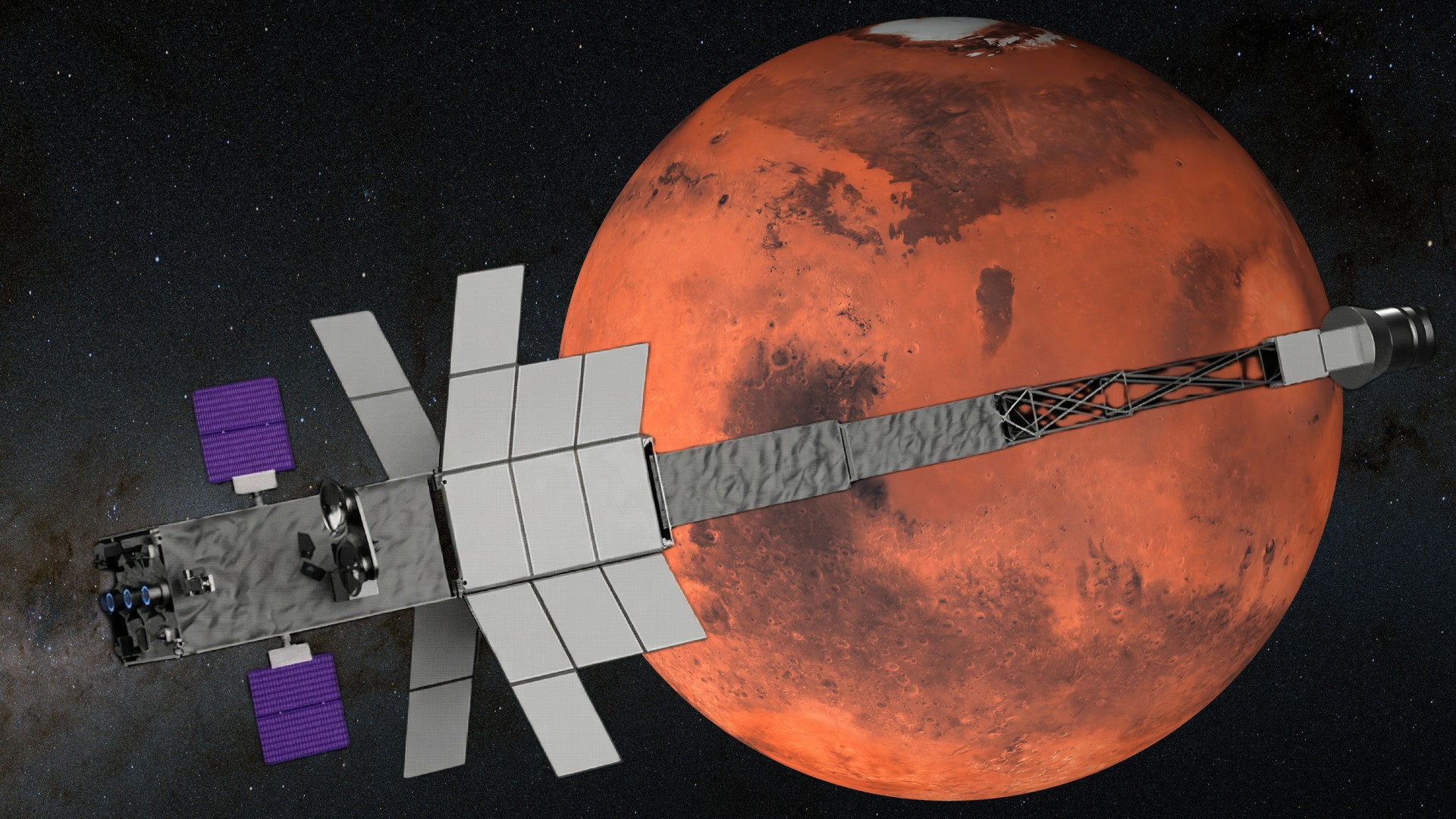
What’s interesting is that the first uncrewed Starships could head to Mars within the next few years. These initial robotic missions will carry essential supplies and autonomous robots to prepare the landing site. They will test the atmospheric entry and precision landing capabilities in the thin Martian air. Once the infrastructure is proven safe, the first human pioneers will finally make the trip.
Why the Timing for Mars is Better Than Ever
Advancements in artificial intelligence and robotics have significantly simplified the tasks required for Martian colonization. Autonomous systems can now perform complex construction and mining operations without constant human supervision. These robots will work tirelessly to build the first shelters before the humans even arrive. This synergy between human bravery and machine efficiency makes the colony feasible in our lifetime.
In addition, global interest in space exploration is reaching a level not seen since the 1960s. Other nations and private companies are entering the race, creating a healthy environment of competition. This “Space Race 2.0” accelerates technological breakthroughs and encourages international cooperation on shared goals. SpaceX remains the leader, but the broader industry support helps solidify the vision of a multi-planetary future.
Furthermore, the cost of electronics and sensors has plummeted, allowing for more sophisticated onboard computers. Modern Starships carry more processing power than all the mission control centers of the Apollo era combined. This allows for real-time problem-solving and autonomous docking procedures that were previously impossible. Every year that passes makes the mission technically easier and more affordable to execute.
The Ethical and Philosophical Legacy of SpaceX
Beyond the metal and fuel, SpaceX is betting on a profound change in the human spirit. The Mars colony represents a shift from a world of scarcity to a future of infinite possibilities. It challenges us to think as a unified species rather than divided nations on a single planet. This philosophical shift could inspire new generations to pursue careers in science, technology, and exploration.
In addition, the mission forces us to become better stewards of planetary environments. Learning how to create a closed-loop life support system on Mars provides insights into sustainability on Earth. The technologies developed for water recycling and efficient energy use can help solve environmental crises at home. In this way, the bet on Mars is also a bet on a better Earth.
What’s interesting is that SpaceX is not just building a colony; they are building a legacy. If successful, this mission will be remembered for thousands of years as the moment we left the cradle. It represents the ultimate expression of human curiosity and our refusal to stay grounded. As the first Starships prepare for their long journey, the world watches with bated breath.


More Stories
Uncover Hidden Gems: Ultimate Destination Guides for Travelers
Top 10 Breathtaking Travel Destinations You Can’t Miss in 2024
Hidden Travel Gems You Won’t Find in Any Guidebook