


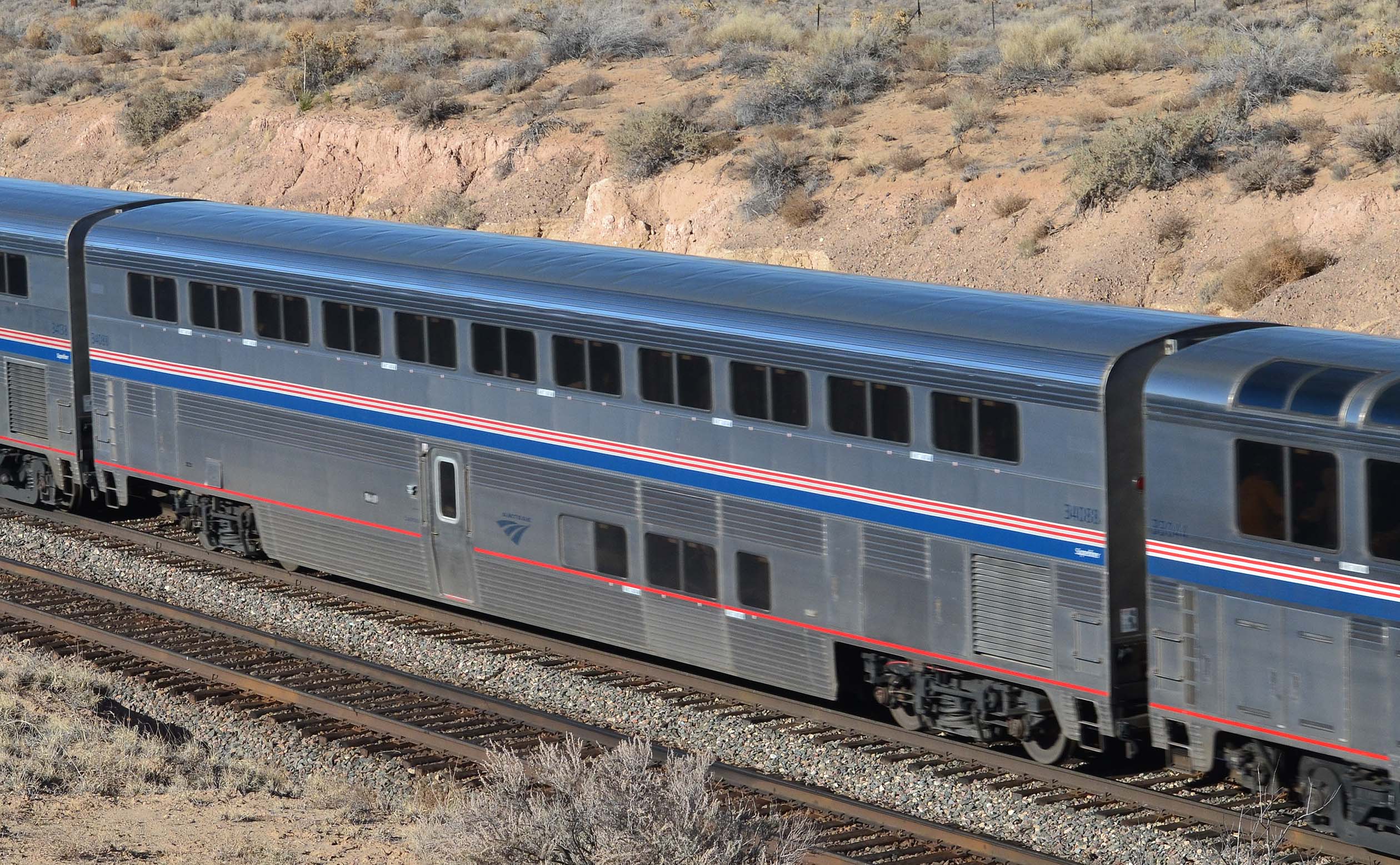
The Future of Amtrak, For decades, the towering silhouette of the Superliner has defined the American West. These double-decker giants carry travelers across the Great Plains and through the Rocky Mountains with iconic grace.
However, Amtrak recently announced a massive shift in its long-distance strategy that will eventually retire these legends. The decision marks the beginning of a new era for rail travel in the United States.
What’s interesting is that this change is not just about age, although many cars are nearing fifty years of service. Amtrak is moving toward a standardized, single-level fleet for its 14 long-distance routes.
This pivot represents a multi-billion-dollar investment in reliability, accessibility, and operational efficiency. While many rail enthusiasts feel a sense of nostalgia, the practical benefits of this transition are hard to ignore.
The Evolution of the American Rail Icon
The Superliner first entered service in the late 1970s to modernize western cross-country travel. Built by Pullman-Standard and later Bombardier, these bi-level cars offered unparalleled views from their upper levels. Passengers could sit in the Sightseer Lounge and watch the Mojave Desert or the Mississippi River roll by. For forty years, they served as the backbone of legendary routes like the Empire Builder and the California Zephyr.
Furthermore, the double-decker design allowed Amtrak to carry more passengers without increasing the physical length of the train. This was vital for high-capacity routes that required sleeping cars, dining cars, and coach seating all in one consist. The height of these cars created a sense of spaciousness that single-level cars often struggle to replicate. Despite this success, the aging infrastructure of the fleet has become a significant hurdle for modern operations.

Why Technical Challenges Are Driving the Change
Maintenance has become an increasingly difficult task for the specialized bi-level fleet. As the cars age, finding replacement parts for unique plumbing and electrical systems becomes a logistical nightmare. Amtrak often has to custom-fabricate components for these vintage cars, which drives up maintenance costs significantly. This reality has forced leadership to rethink the long-term viability of the Superliner platform.
In addition, the height of the Superliner creates a major geographic limitation for the national network. These cars are too tall to clear the tunnels and bridges found in the Northeast Corridor. This means Amtrak must maintain two completely different types of equipment for its eastern and western long-distance routes. By switching to a single-level design, Amtrak can finally achieve a “universal” fleet that works anywhere in the country.
The Critical Role of Universal Accessibility
A primary driver for the phase-out involves modernizing accessibility standards for all passengers. The current Superliner design requires most passengers to climb a narrow, winding staircase to reach their seats or sleepers. While there are accessible rooms on the lower level, the “public” spaces like dining cars remain upstairs. This creates a fragmented experience for travelers with mobility challenges or those using wheelchairs.
What’s interesting is that Amtrak originally explored building new bi-level cars with onboard elevators. However, manufacturers expressed serious concerns about the reliability and cost of maintaining elevators on a moving train. These mechanical systems would be subject to constant vibrations and harsh weather conditions across thousands of miles. Consequently, the Federal Railroad Administration and Amtrak decided that single-level cars offered the most reliable path to full accessibility.
Strategic Procurement and the New Fleet Order
In early 2026, Amtrak officially launched a formal request for proposals for over 800 new railcars. This massive order will replace both the bi-level Superliners and the older single-level Viewliner and Amfleet equipment. The goal is to create a consistent customer experience across every overnight route in the nation. Manufacturers are expected to submit bids that prioritize modular designs and American-made components.
Furthermore, this new procurement strategy aims to reduce the “program risk” associated with custom engineering. Instead of inventing a brand-new type of bi-level car, Amtrak is looking for proven, modern single-level designs. This approach should accelerate the manufacturing timeline and ensure the new fleet enters service by the early 2030s. By streamlining the fleet, Amtrak can also simplify its crew training and maintenance facilities nationwide.
Enhancing the Passenger Experience with Modern Tech
While we may lose the high-altitude views of the Superliner, the new fleet promises significant upgrades. Modern railcars will feature improved suspension systems for a much smoother ride on aging freight tracks. Passengers can expect redesigned sleeping accommodations with better soundproofing and contemporary climate control systems. Enhanced Wi-Fi connectivity and power outlets at every seat will also become standard features across the board.
In addition, the new dining and lounge cars will focus on a more inclusive and open floor plan. Because everything will sit on a single level, every passenger will have equal access to the cafe and dining areas. This eliminates the “split-level” social barrier found on current western trains. Amtrak intends to use large, panoramic windows in these new designs to preserve the scenic wonder of cross-country travel.
Environmental Goals and Operational Efficiency
The transition to a single-level fleet also supports Amtrak’s ambitious goal of reaching net-zero emissions by 2045. Lighter, more aerodynamic single-level cars require less energy to pull across vast distances. When paired with the new Siemens ALC-42 Charger locomotives, these trains will significantly reduce the carbon footprint of long-distance travel. This efficiency is crucial as the government pushes for more sustainable transportation options.
Furthermore, a standardized fleet allows for much better equipment utilization during peak travel seasons. If a train in the East breaks down, Amtrak can easily swap in a car originally destined for a Western route. Currently, the height restrictions in New York and Baltimore make such flexibility impossible. This “plug-and-play” capability will lead to fewer cancellations and more reliable schedules for passengers everywhere.
The Impact on Iconic Western Routes
Many regular travelers wonder how this change will feel on the legendary routes of the American West. The transition from two levels to one will certainly change the “vibe” of the observation cars. However, Amtrak is working closely with designers to ensure that the new single-level cars still feel spacious and airy. The focus is shifting toward “vertical” space within the single-level frame to maximize comfort.
In addition, the shift to single-level cars may actually allow Amtrak to run more frequent service. Because these cars are easier to maintain and faster to build, the total fleet size could grow over time. This would be a welcome change for routes that currently only see one train per day. More cars on the tracks mean more tickets available for a growing population of rail travelers.

What to Expect in the Coming Decade
The phase-out of the Superliner will not happen overnight, as the current fleet will remain in service for years. Amtrak is currently investing in “refresh” programs to keep the existing bi-level cars comfortable until the replacements arrive. You will still be able to book a roomette on the Southwest Chief or the Coast Starlight for the foreseeable future. This transition is a marathon, not a sprint, requiring careful coordination with federal partners.
However, the momentum toward the “New Golden Age of Travel” is now officially unstoppable. With the formal procurement process underway, the rail industry is buzzing with potential designs for these 800 new cars. The first prototypes should begin testing in the late 2020s to ensure they can handle the rugged American terrain. This decade will represent the most significant transformation of the national rail network since Amtrak’s inception.
A Balanced View of Rail Modernization
Change in the railroad industry is often met with a mix of excitement and skepticism. The Superliners are beloved for their unique architecture and the memories they provided to generations of travelers. Yet, the move toward a single-level, universal fleet is a pragmatic response to modern challenges. It addresses the urgent needs of accessibility, reliability, and regional interoperability.
Ultimately, the future of Amtrak depends on its ability to provide a world-class experience that competes with air travel. By investing in a modern, standardized fleet, the railroad is laying the tracks for the next fifty years of service. The Superliners served their purpose beautifully, but the next chapter of American rail looks brighter, faster, and more inclusive. We are moving toward a system that works for every passenger, on every route, every single day.


More Stories
Unveiling the Unexpected Turns of Your Life Journey
Unforgettable Travel Journeys That Will Change Your
The Unwritten Map: A Journey Beyond the Horizon