


World’s Best Food Cities, The global culinary stage has reached a spectacular new peak in 2026 as UNESCO unveils its latest Creative Cities. This prestigious network celebrates urban centers where food is not just sustenance, but a strategic factor for sustainable development. For a city to earn this title, it must demonstrate a deep-rooted culinary heritage and a commitment to innovation. This year’s list highlights diverse flavors ranging from ancient silk road spices to the heart of the American South.
What’s interesting is that the 2026 designations emphasize the “tourism plus gastronomy” model more than ever before. UNESCO now prioritizes cities that use their food culture to boost social cohesion and urban renewal. Travelers are increasingly ignoring mainstream tourist traps in favor of these authentic, verified gastronomic hubs. These cities represent the absolute best of global food culture, offering experiences that go far beyond a simple meal.
Furthermore, the latest update to the network includes fifty-eight new members across various creative fields. Gastronomy remains one of the most competitive categories, with only a handful of cities meeting the rigorous standards each cycle. The 2026 list proves that great food is being preserved and reinvented in every corner of the planet. Let’s explore the standout cities that are currently defining the world’s plate.
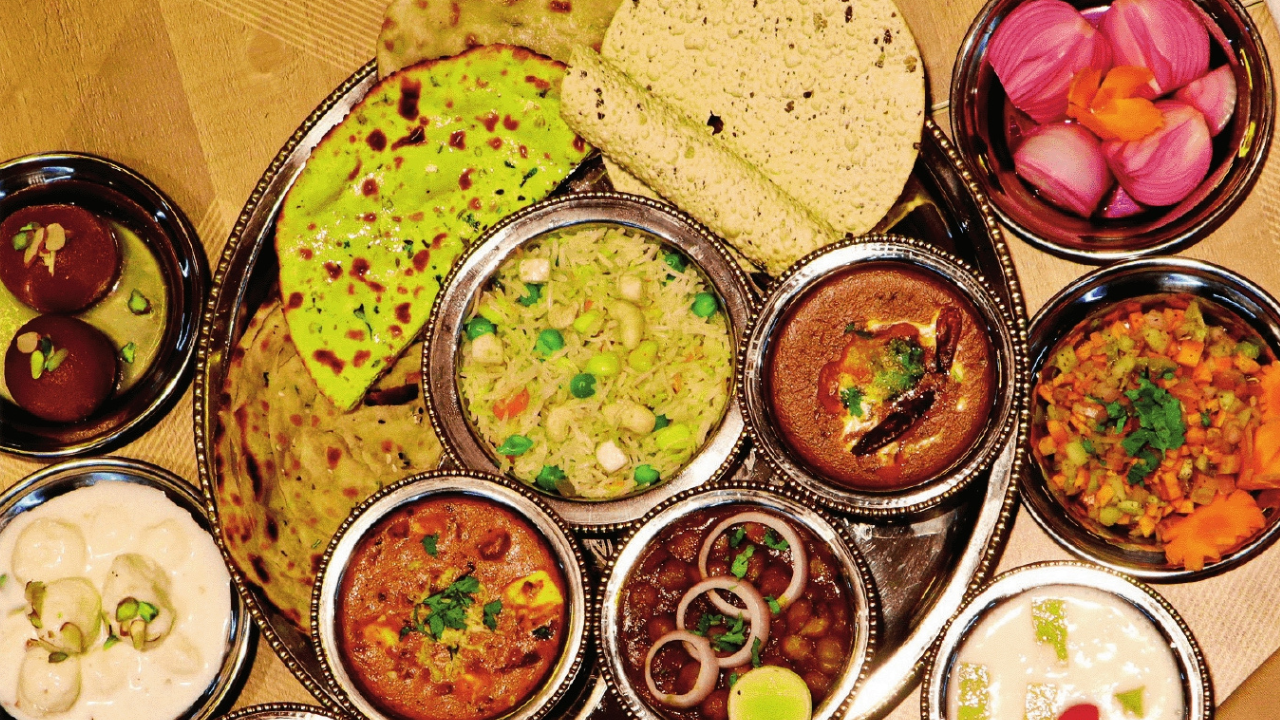
Lucknow, India: The Jewel of Awadhi Cuisine
Lucknow officially joined the UNESCO Creative Cities Network as a City of Gastronomy in late 2025. This designation celebrates the city’s legendary Awadhi heritage, which stems from the refined kitchens of the Nawabs. The culinary style here is famous for its “Dum Pukht” technique, where food is slow-cooked in sealed containers. This process allows the ingredients to marinate in their own juices, creating unparalleled depth and aroma.
In addition, the street food culture in Lucknow offers a sensory journey through centuries of tradition. You can walk through the bustling lanes of Aminabad to find the world-famous Tunday Kababi. These kebabs use a secret blend of over 100 spices to achieve a melt-in-the-mouth texture. What’s interesting is that despite its deep history, Lucknow’s chefs are now integrating sustainable, farm-to-table practices.
Furthermore, the UNESCO recognition has sparked a city-wide initiative to preserve traditional cooking skills among the youth. New culinary schools are focusing on the intricate art of spice blending that defines Awadhi food. This ensures that the city’s gastronomic legacy remains vibrant and relevant for future generations of food lovers. Lucknow is a must-visit for anyone seeking a true royal feast in a modern setting.
Macao: A Fusion of East and West
Macao continues to shine as a global leader, hosting the 2026 International Cities of Gastronomy Fest this March. As a long-standing member of the network, Macao serves as a perfect example of cultural-tourism integration. The city’s unique “Macanese” cuisine blends Portuguese ingredients with Chinese cooking techniques and spices from Africa and India. This results in iconic dishes like African Chicken and Minchi that you won’t find anywhere else.
What’s interesting is that the 2026 festival showcased a new focus on “Global Goodies” and cross-sector collaboration. The event brought together chefs from nearly forty different UNESCO cities to share sustainable practices. Visitors explored a massive Gastronomy Promenade featuring over one hundred food booths from six continents. This massive celebration highlights Macao’s role as a bridge between diverse global food traditions.
In addition, the city is leading the way in “green gastronomy” by reducing food waste in its luxury resorts. Many of the top restaurants now utilize advanced composting systems and source ingredients from local rooftop gardens. This commitment to the planet ensures that Macao remains a sustainable destination for high-end dining. The city successfully proves that tradition and luxury can coexist with modern environmental standards.
The Rising Stars of the 2026 Gastronomy Network
Beyond the established giants, several new cities have entered the spotlight with unique offerings. These locations were chosen for their ability to turn local ingredients into global attractions. Each city on the 2026 list provides a distinct flavor profile that reflects its local geography and history.
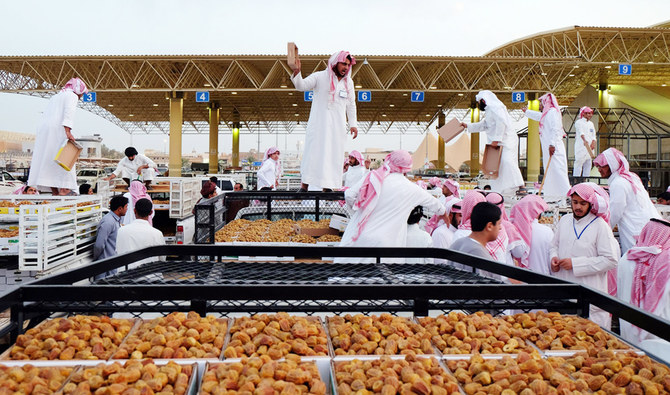
- Buraydah, Saudi Arabia: This city is famous for its annual date carnival and rich desert heritage.
- Lucknow, India: As mentioned, it is the new home of the world’s finest slow-cooked meats.
- Battambang, Cambodia: This city earned its place through vibrant street food and ancient rice-growing traditions.
- St. Petersburg, Russia: The “St. Petersburg Breakfast” project has modernized traditional Russian hospitality for travelers.
- Iloilo City, Philippines: This coastal hub is recognized for its unique seafood heritage and community food programs.
Furthermore, the 2026 list highlights cities that use gastronomy to drive economic growth in rural areas. By connecting urban chefs with local farmers, these cities create a resilient and circular food economy. This approach helps preserve endangered crop varieties and supports small-scale producers who are the backbone of culture. UNESCO’s endorsement brings global attention to these vital local efforts.
Innovative Trends in the UNESCO Cities
What’s interesting is the rise of “Architecture” as a new creative field that often overlaps with gastronomy. Many UNESCO food cities are now revitalizing historic marketplaces to create stunning dining hubs. These spaces combine heritage preservation with modern hygiene and comfort for a better visitor experience. Walking through a UNESCO City of Gastronomy often feels like walking through a living museum of flavor.
In addition, the 2026 list sees a significant increase in the use of digital technology in food. Cities are launching apps that allow travelers to trace the exact farm where their ingredients were grown. This transparency builds trust and encourages diners to choose sustainable and ethical options while they travel. Technology is helping to bridge the gap between ancient traditions and the modern, conscious consumer.
Furthermore, the network is fostering a new “Young Chefs Programme” to encourage international talent exchanges. A young chef from South Africa might spend a month training in a kitchen in Shunde, China. This cross-pollination of ideas leads to exciting new fusion dishes that respect original techniques. It ensures the global culinary conversation stays fresh and continuously evolves toward excellence.
How to Plan Your 2026 UNESCO Food Tour
Planning a trip around the UNESCO Gastronomy list is the ultimate way to see the world. These cities offer a guaranteed level of quality and a deep connection to the local community. Start your journey in Asia, where cities like Chengdu and Macao offer a spicy and diverse introduction. Then, head to Europe to experience the refined traditions of Parma or the new Russian flavors.
However, don’t overlook the smaller, newer additions that offer a more intimate look at local life. Cities like Buraydah provide a fascinating glimpse into how traditional ingredients can drive a modern festival. Each stop on your tour will offer a different perspective on how humans interact with their environment. The 2026 list is essentially a treasure map for the most authentic experiences on Earth.
Ultimately, the UNESCO Gastronomy list is about more than just finding a good place to eat. it is about celebrating the creativity and resilience of human culture through the medium of food. By visiting these cities, you are supporting the preservation of intangible heritage and sustainable urban growth. You are becoming a part of a global movement that values flavor, history, and community above all else.


More Stories
Ever Tried a Pizza That Hugs Back: Delicious Bites
Delicious Discoveries: Your Ultimate Food Guide
Tasty Recipes You Haven’t Tried—Yet!