


U.S. Immigrant Visa Pause 2026. In early 2026, the United States Department of State enacted one of the most sweeping changes to immigration policy in recent history.
Effective January 21, 2026, an “indefinite pause” was placed on the issuance of immigrant visas for citizens of 75 countries.
While separate from the high-profile travel bans that target national security, this “Immigrant Visa Pause” is rooted in economic policy—specifically the Public Charge ground of inadmissibility.
This guide provides the full list of affected nations and essential details for those navigating this complex new landscape.
Understanding the “Public Charge” Pause
The 2026 pause is based on a reassessment of which nationalities are considered a “high risk” for potentially relying on U.S. government benefits (such as welfare or Medicaid) after arrival.
Under the Immigration and Nationality Act (INA), consular officers have the authority to deny a visa if they believe an applicant is likely to become a “public charge.” By pausing all immigrant visa issuances for these 75 countries, the State Department is effectively giving itself time to implement more rigorous, “extreme vetting” procedures regarding an applicant’s financial health, age, and even English language proficiency.
Key Facts About the Pause:
- Interviews Still Happen: Consular offices are still scheduling and conducting interviews. However, even if the interview goes well, the visa cannot be issued until the pause is lifted for that specific country.
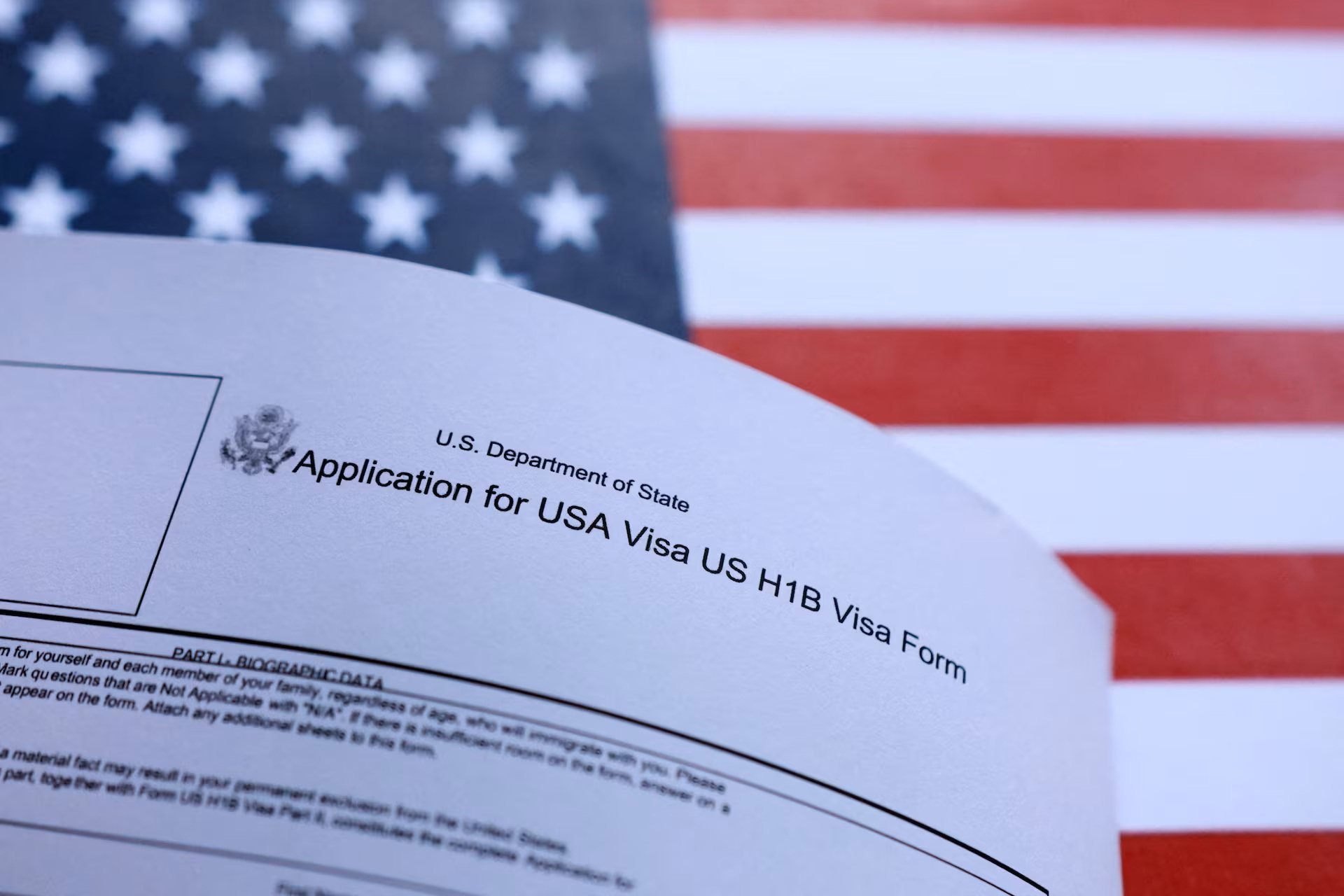
- Nonimmigrant Visas are Exempt: This pause does not apply to tourist (B1/B2), student (F, M), or temporary work visas (H-1B, L-1).
- Dual Nationals: If you hold a passport from a non-affected country, you can still proceed with your immigrant visa application using that second nationality.
The Full List: 75 Affected Countries
The following 75 nations are currently subject to the indefinite pause on immigrant visa issuance as of February 2026:
A – C
- Afghanistan
- Albania
- Algeria
- Antigua and Barbuda
- Armenia
- Azerbaijan
- Bahamas
- Bangladesh
- Barbados
- Belarus
- Belize
- Bhutan
- Bosnia and Herzegovina
- Brazil
- Burma (Myanmar)
- Cambodia
- Cameroon
- Cape Verde
- Colombia
- Côte d’Ivoire
- Cuba
D – J
- Democratic Republic of the Congo
- Dominica
- Egypt
- Eritrea
- Ethiopia
- Fiji
- The Gambia
- Georgia
- Ghana
- Grenada
- Guatemala
- Guinea
- Haiti
- Iran
- Iraq
- Jamaica
- Jordan
K – N
- Kazakhstan
- Kosovo
- Kuwait
- Kyrgyz Republic
- Laos
- Lebanon
- Liberia
- Libya
- Moldova
- Mongolia
- Montenegro
- Morocco
- Nepal
- Nicaragua
- Nigeria
- North Macedonia
P – S
- Pakistan
- Republic of the Congo
- Russia
- Rwanda
- Saint Kitts and Nevis
- Saint Lucia
- Saint Vincent and the Grenadines
- Senegal
- Sierra Leone
- Somalia
- South Sudan
- Sudan
- Syria
T – Z
- Tanzania
- Thailand
- Togo
- Tunisia
- Uganda
- Uruguay
- Uzbekistan
- Yemen
Impact on Family and Employment Visas
Because this pause targets immigrant visas (the pathway to a Green Card), it hits family reunification and permanent employment hardest.
Family-Based Petitions
Spouses, children, and parents of U.S. citizens from these 75 countries are currently unable to receive their visas at embassies abroad. While the I-130 petition may still be approved by USCIS within the U.S., the final “consular processing” stage is effectively frozen.
Employment-Based Green Cards
Workers currently abroad who have been sponsored for EB-1, EB-2, or EB-3 visas are also stuck. Many multinational companies are now pivoting to L-1 (Intracompany Transferee) or H-1B visas, as these temporary “nonimmigrant” categories are not included in the pause.
The Role of “Extreme Vetting” in 2026
Recent internal State Department cables suggest that when the pause is lifted for individual countries, applicants will face a “Total Life Audit.” This includes:
- Medical Review: A broader range of health conditions (like diabetes or high blood pressure) being used to suggest potential public costs.
- Asset Verification: Mandatory submission of 12 months of bank statements and proof of liquid assets.
- Education & Skills: A heavier weight placed on the applicant’s ability to speak English and their immediate employability in the U.S. labor market.
What Should Applicants Do Now?
If your country is on this list, the “wait and see” approach is the most practical, but there are active steps you can take:
- Attend Your Interview: Unless your appointment is officially cancelled, go to the embassy. Completing the interview puts you at the front of the line once the pause is lifted.
- Consult a Lawyer on “Adjustment of Status”: If you are already inside the U.S. on a legal visa, the pause generally does not apply to the I-485 adjustment process. You may still be able to get your Green Card without leaving the country.
- Avoid Irreversible Decisions: Do not sell your home or quit your job until you have a physical visa in your passport.
- Prepare Financial Documentation: Use this time to gather extensive proof of financial self-sufficiency.
Future Outlook
The administration has not provided a specific end date for the pause. It is expected that countries will be removed from the list individually as they agree to new “information-sharing” agreements with the U.S. regarding their citizens’ health and financial backgrounds.
Would you like me to look up the specific “National Interest Waiver” (NIW) criteria for 2026, or would you like more information on how to adjust status while already in the U.S.?


More Stories
Solo Travel: Why It’s the Ultimate Freedom You Need
Worldly on $50 a Day: Budget Travel Secrets Unlocked
Discover Hidden Horizons: The Ultimate Unconventional Travel Guide to Secret Destinations