


How to Make Traditional Risotto alla Milanese. Few dishes in Italian cuisine capture the elegance of simplicity while exuding a luxurious depth of flavor quite like Risotto alla Milanese.
Originating from the heart of Lombardy, this iconic dish is a tribute to the marriage of technique and terroir. Its golden hue, derived from delicate saffron threads, and its creamy, luscious texture make it a centerpiece of festive tables and intimate dinners alike.
Understanding How to Make Traditional Risotto alla Milanese at Home Perfectly requires more than just following instructions—it demands an appreciation of ingredients, timing, and subtlety.
The Origins of Risotto alla Milanese
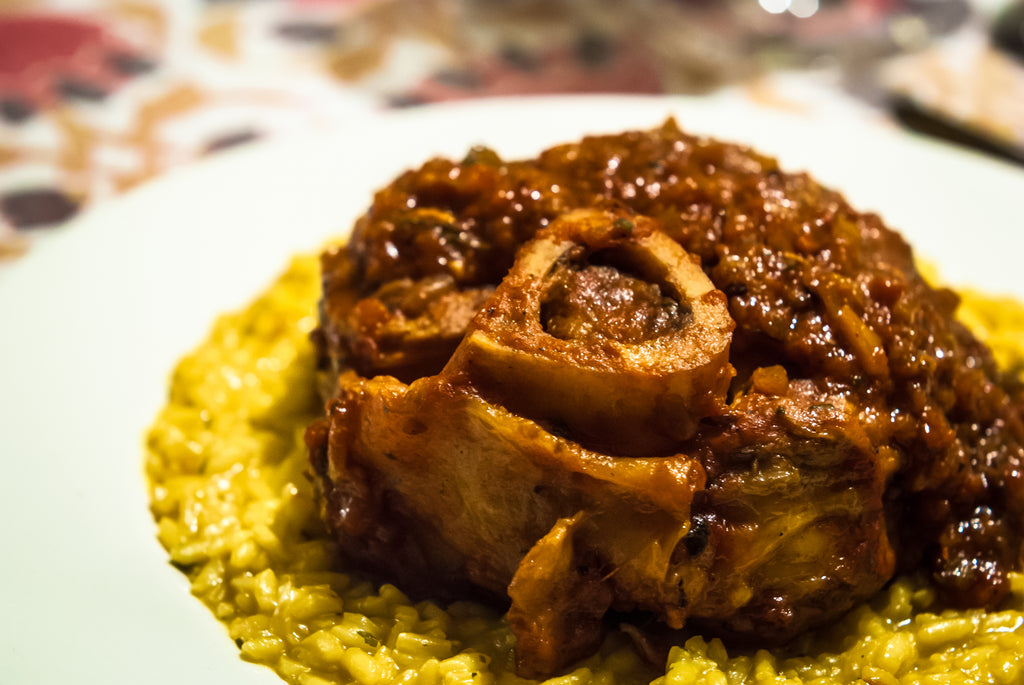
Risotto alla Milanese traces its roots back to the 16th century in Milan, where it was likely first prepared to accompany ossobuco, the braised veal shank that defines classic Milanese cuisine. The vibrant yellow color is achieved with saffron, a precious spice whose aroma is both floral and earthy. The dish quickly became a symbol of culinary sophistication, celebrated for its balance of taste, texture, and visual allure.
The method of preparation elevates simple ingredients—arborio rice, butter, shallots, broth, white wine, and saffron—into an extraordinary dish. Each element must be handled with precision to coax the rice into a creamy consistency while allowing each grain to maintain its shape. The magic lies in the technique.
Selecting Ingredients
Rice
The foundation of Risotto alla Milanese is rice, and the choice of grain is critical. Arborio or Carnaroli varieties are preferred due to their high starch content, which imparts the characteristic creaminess without becoming mushy. Carnaroli, often dubbed the “king of rice,” is prized for its ability to absorb liquids while retaining a firm center.
Saffron
Saffron threads are the soul of this dish. They should be of the highest quality, preferably from Lombardy or Sardinia, to ensure maximum fragrance and color. A few threads go a long way, imparting a golden hue and a subtle bitterness that balances the richness of butter and cheese.
Butter and Cheese
Butter provides the luscious texture that makes Risotto alla Milanese decadent, while Parmigiano Reggiano, grated finely, adds depth, saltiness, and umami. The finishing technique of stirring in cold butter at the end, known as mantecatura, is essential for a perfectly creamy result.
Broth
A rich, aromatic broth is the backbone of risotto. Traditionally, a light beef or veal broth is used, but vegetable or chicken broth can also complement saffron beautifully. The liquid should be kept hot throughout cooking to maintain a consistent temperature, which is critical for even absorption by the rice.
Wine and Aromatics
A dry white wine provides acidity, enhancing the dish’s complexity. Shallots or onions, finely diced, form the aromatic base that elevates every bite.
Mastering How to Make Traditional Risotto alla Milanese at Home Like a Chef begins with sourcing ingredients of exceptional quality. Their integrity directly influences the flavor and texture of the final dish.
Equipment Needed
While Risotto alla Milanese can be prepared at home, certain tools facilitate the process:
- A wide, heavy-bottomed sauté pan or skillet ensures even heat distribution.
- A wooden spoon for gentle stirring prevents breaking the rice grains.
- A ladle for gradually adding hot broth allows precise control over the cooking process.
- A small mortar or spice grinder to crush saffron threads if desired, intensifying their aroma.
Attention to detail in equipment usage mirrors the meticulous nature of professional kitchens, a principle at the heart of How to Make Traditional Risotto alla Milanese at Home Step by Step.
Step-by-Step Preparation
1. Preparing the Saffron
Begin by steeping saffron threads in a small amount of hot broth or warm water. Allow them to bloom for at least 10 minutes. This step ensures maximum color extraction and aromatic intensity.
2. Sautéing Aromatics
Melt a portion of butter in the pan and gently sauté finely chopped shallots or onions over low heat. Avoid browning them; the goal is to release their sweetness and fragrance.
3. Toasting the Rice
Add the rice to the pan and toast it briefly for 1–2 minutes, stirring constantly. This process, called tostatura, coats each grain in butter, creating a subtle nutty aroma while preventing the rice from becoming overly sticky.
4. Deglazing with Wine
Pour in dry white wine and stir until fully absorbed. The acidity brightens the dish and balances the richness of butter and cheese.
5. Gradual Broth Addition
Add hot broth one ladle at a time, stirring frequently. Each addition should be absorbed before the next. This slow incorporation allows the rice to release its starch, forming the creamy texture characteristic of risotto.
6. Incorporating Saffron
Midway through cooking, add the steeped saffron along with its liquid. Stir gently to ensure even distribution. Watch as the rice gradually takes on a luminous golden hue.
7. Checking Doneness
Cook until the rice is al dente, tender yet firm at the core. The texture should be creamy and flowing, not stiff or soupy. Timing may vary depending on the rice variety and heat level.
8. Mantecatura
Remove the pan from heat and stir in the remaining cold butter and a generous handful of grated Parmigiano Reggiano. This final step binds the dish, creating a luxurious, velvety finish. Season with salt and freshly ground black pepper to taste.
Following this sequence carefully embodies How to Make Traditional Risotto alla Milanese at Home Deliciously, transforming simple ingredients into an unforgettable culinary experience.
Serving and Pairing
Risotto alla Milanese is traditionally served immediately, its creamy texture best enjoyed hot. A classic pairing is ossobuco alla Milanese, where the risotto’s saffron notes complement the braised veal’s richness.
Wine pairing is equally important. A light red such as Barbera or a dry white like Pinot Grigio can harmonize with the dish’s flavors without overwhelming its delicate saffron aroma.
Presentation also enhances the experience. Serve in shallow bowls to showcase the golden color, and optionally garnish with a small pat of butter or an additional sprinkling of Parmigiano Reggiano.
Common Pitfalls and How to Avoid Them
Even seasoned cooks can falter with risotto. Key pitfalls include:
- Overcooking the rice: Leads to a mushy texture rather than the desired al dente. Stir frequently but gently to preserve integrity.
- Adding cold broth: Slows cooking and can produce uneven texture. Keep broth simmering.
- Skipping the mantecatura: Omits the creamy binding step, resulting in a less luxurious dish.
- Under-seasoning: Even with cheese and butter, a touch of salt and pepper is crucial to enhance flavors.
Mastering these details is essential for those seeking How to Make Traditional Risotto alla Milanese at Home Perfectly—ensuring a flawless result every time.
Variations and Modern Twists
While traditional Risotto alla Milanese is revered, modern chefs experiment with adaptations that respect the essence of the dish:
- Seafood Risotto alla Milanese: Incorporates saffron with shrimp, scallops, or lobster for a coastal flair.
- Mushroom Infused: Earthy mushrooms complement saffron, adding depth while maintaining creaminess.
- Vegetable Variants: Roasted squash or peas can provide a seasonal twist, maintaining the risotto’s luxurious texture.
- Cheese Innovations: Occasionally, mascarpone or taleggio can be folded in during mantecatura for a richer, tangy flavor.
These adaptations demonstrate How to Make Traditional Risotto alla Milanese at Home Like a Chef, blending heritage with creativity.
The Science Behind the Creaminess
The luxurious texture of Risotto alla Milanese is not accidental—it is culinary chemistry. Stirring the rice releases surface starch, which, when combined with gradual broth incorporation, creates a naturally thick and creamy consistency. Butter and Parmigiano Reggiano further stabilize this emulsion during mantecatura. Temperature control, timing, and ingredient proportions all influence the final result.
Understanding this interplay allows home cooks to adjust and perfect the recipe, achieving results that rival professional kitchens.
Tips for Home Cooks
- Quality Over Quantity: Use fewer, high-quality ingredients rather than trying to compensate with volume.
- Consistent Heat: Maintain a gentle, steady simmer—avoid high heat that can cook rice unevenly.
- Patience: Slow addition of broth is non-negotiable for creamy consistency.
- Taste Frequently: Risotto requires continuous tasting to achieve perfect texture and seasoning.
- Serve Immediately: Risotto waits for no one; the texture and flavor are best at the moment of completion.
Implementing these strategies ensures that even home cooks can achieve How to Make Traditional Risotto alla Milanese at Home Step by Step with confidence and elegance.
Cultural Significance
Risotto alla Milanese is more than a recipe—it is a cultural emblem. In Milanese households, it represents hospitality and celebration. Its saffron-stained rice evokes the golden spires of Milan’s cathedral, symbolizing prosperity and warmth. Cooking it at home is not merely a culinary exercise; it is a ritual connecting tradition, geography, and artistry.
Serving Suggestions
- With Ossobuco: A classic pairing enhancing both dishes.
- With Light Salads: Arugula or radicchio salads cut richness and add color contrast.
- As a Standalone Dish: Garnish with extra Parmigiano Reggiano and a drizzle of high-quality olive oil.
- Accompanying Wine: Dry white wines or light reds complement without overpowering saffron.
These considerations elevate home dining, making the preparation of How to Make Traditional Risotto alla Milanese at Home Deliciously a rewarding experience.
Conclusion
Risotto alla Milanese is a testament to the power of simplicity executed with precision. The delicate dance of saffron, butter, cheese, and perfectly cooked rice culminates in a dish that is both comforting and regal. By following the detailed steps, respecting ingredients, and embracing patience, home cooks can transform their kitchens into centers of culinary artistry.
Whether enjoyed as a centerpiece of a festive meal or a luxurious weekday dinner, this golden risotto embodies the elegance of Italian gastronomy. Mastering How to Make Traditional Risotto alla Milanese at Home Perfectly ensures not only a delicious result but also a meaningful connection to a centuries-old culinary tradition.
Embrace the process, savor each step, and relish the final creation. With care, technique, and attention to detail, anyone can achieve How to Make Traditional Risotto alla Milanese at Home Like a Chef, creating a dish that is as visually stunning as it is delectably rich.


More Stories
Blue Ridge Fall Dining Guide 2026: Top Culinary Destinations
Supermarket Tourism Trends 2026: Exploration Is Reshaping Travel
Ever Tried a Pizza That Hugs Back: Delicious Bites