


How Olive Oil Is Made. There is something almost sacred about olive oil. It’s more than a condiment—it’s a liquid emblem of history, health, and craftsmanship.
For thousands of years, this golden elixir has graced the tables of kings, poets, and common folk alike. Yet few truly understand How Olive Oil Is Made: From Harvest to Bottle Secrets, the ancient ritual that transforms humble olives into the nectar of the Mediterranean.
Each drop of olive oil tells a story of sunlight, soil, and patience—a tale of earth meeting art. The process is not merely agricultural; it’s an orchestration of timing, texture, and taste.
To grasp the full scope of its wonder, one must journey through the olive groves, into the pressing mills, and finally, to the elegant bottles that capture the heart of the harvest.
The Ancient Heritage of Liquid Gold
Olive trees are among the oldest cultivated plants on Earth. Their gnarled trunks and silvery leaves have stood as witnesses to civilizations that have risen and fallen. In ancient Greece, olive branches were symbols of peace and victory. In Rome, they were a mark of wealth and purity. The Phoenicians carried olive saplings across the Mediterranean, sowing not just crops, but culture.
From the shores of Spain to the hills of Tuscany, from the deserts of Morocco to the islands of Crete, each region developed its own ritual for crafting olive oil. And though modern technology has refined the process, the heart of How Olive Oil Is Made: From Harvest to Bottle Journey remains grounded in tradition. It is a balance between nature’s rhythm and human devotion.
The Grove: Birthplace of the Olive’s Odyssey
The journey begins under the Mediterranean sun, where olive trees thrive in rocky soil and dry winds. Each variety—whether the peppery Picual, the grassy Arbequina, or the floral Koroneiki—carries its own personality. Farmers tend to these trees year-round, pruning and caring for them with a reverence born of generations.
The olive’s development follows the seasons. In spring, the blossoms emerge—tiny, fragrant, and full of promise. Summer brings fruit that swells and darkens, transforming from green to rich purple or black as it ripens. Yet timing the harvest is a delicate art. The flavor, aroma, and quality of the oil depend on the exact moment the olives are picked.
Harvest too early, and the oil will be sharp and grassy. Wait too long, and it may lose its vibrancy and freshness. This balance is at the heart of How Olive Oil Is Made: From Harvest to Bottle Unveiled.
The Harvest: A Symphony of Precision and Passion
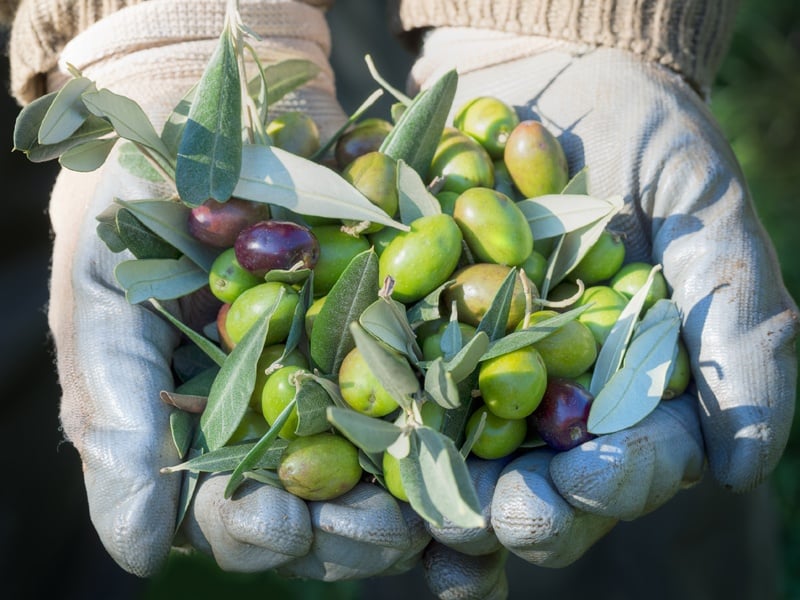
In ancient times, farmers would beat the branches with sticks to dislodge the olives, letting them tumble into nets. Today, the methods are gentler but no less intricate. Some still handpick their fruits—a meticulous task that protects the olives’ delicate skins. Others use mechanical shakers that vibrate the branches, allowing ripe olives to fall gracefully into soft nets below.
The key is speed. Once plucked, olives must be processed quickly—ideally within 24 hours. Delay allows fermentation and oxidation to begin, which can taint the oil’s flavor and diminish its quality. The freshly picked fruit, still warm from the sun, is rushed to the mill.
At this point, the air fills with a perfume that is unmistakable—a green, earthy fragrance that hints at the treasure soon to emerge. The harvest is not merely an agricultural act; it is the overture in the grand symphony of How Olive Oil Is Made: From Harvest to Bottle Story.
The Milling: Crushing the Essence of the Olive
The mill is where the transformation begins. The process of crushing olives is as old as civilization itself, yet it has evolved with precision. Traditionally, massive stone wheels known as “molini” would roll over the fruit, turning it into a thick, pulpy paste. Today, stainless steel hammer mills or blades perform the same task, but faster and cleaner.
Every olive contains roughly 20–30% oil, the rest being water, pits, and pulp. Crushing ruptures the cell walls of the fruit, releasing the tiny droplets of oil hidden within. The resulting paste—a mixture of solids and liquids—is the foundation of all olive oils, from the humble to the divine.
It’s at this stage that aroma begins to blossom. The paste’s smell is vivid—notes of grass, artichoke, and apple. The transformation is both chemical and poetic. In that crushed mass lies the soul of the grove, waiting to be liberated.
The Malaxing: The Dance of the Droplets
Once crushed, the olive paste is gently stirred in a process called malaxation. The goal is to coax tiny oil droplets to merge into larger ones. The paste is kneaded slowly, often for 20 to 40 minutes, at carefully controlled temperatures—usually below 27°C (80°F).
This is the critical phase for defining the character of the oil. The temperature must remain low to preserve delicate aromatic compounds and prevent oxidation. Oils made using this cold extraction method are labeled “extra virgin,” a mark of purity and quality.
The aroma intensifies during malaxation. You can almost hear the oil whispering free, forming a silky essence that glimmers under the lights of the mill. It’s in this quiet dance that How Olive Oil Is Made: From Harvest to Bottle Secrets begins to reveal its magic.
The Extraction: Separating the Liquid Gold
Once the paste has matured, it is ready for extraction—the moment when oil, water, and solids part ways. In ancient times, the paste was spread on woven mats, stacked high, and pressed with stone weights. The liquid that oozed out was collected and allowed to separate naturally.
Modern producers use centrifugal systems—sleek, spinning machines that exploit the difference in density between oil, water, and solids. As the paste whirls, the oil separates cleanly, emerging as a golden stream.
This part of How Olive Oil Is Made: From Harvest to Bottle Journey is pure alchemy. Watching the first drops of fresh olive oil pour forth is mesmerizing—like witnessing sunlight transformed into liquid form.
At this stage, the oil is unfiltered, still cloudy with microscopic olive particles. Some producers bottle it immediately as “olio nuovo” or “new oil,” prized for its vivid flavor and texture. Others prefer to let it settle and filter naturally, achieving a clearer, more stable result.
The Filtration and Storage: Protecting the Purity
Filtering may seem mundane, but it is essential to preserving the oil’s longevity. Tiny bits of fruit or moisture can accelerate spoilage. Filtration removes these impurities, ensuring that the oil remains vibrant for months or even years.
The freshly extracted oil is then stored in stainless steel tanks, protected from light, heat, and oxygen—three of its greatest enemies. The tanks are often blanketed with inert gas, such as nitrogen, to prevent oxidation.
In this serene, temperature-controlled space, the oil rests. It’s a moment of quiet after the frenzy of the harvest, a pause that allows the flavors to harmonize. The mill master tastes frequently, ensuring that the balance of fruitiness, bitterness, and pungency is perfect before bottling.
This stage embodies the patience and precision behind How Olive Oil Is Made: From Harvest to Bottle Unveiled—a testament to the devotion of those who treat olive oil not as a product, but as a living creation.
The Bottling: Capturing the Spirit of the Harvest
Finally, the golden elixir is ready for its vessel. Bottling is both a technical and symbolic act—the culmination of months of labor and love.
High-quality producers use dark glass or metal containers to shield the oil from light. Each bottle is meticulously filled, sealed, and labeled with pride. Some include the harvest year, variety, and region—details that echo the transparency found in fine wines.
When the first bottle is uncorked, the aroma of the grove returns. One taste can transport you to sun-drenched hillsides and whispering olive branches. Every bottle carries a piece of the land, a fragment of the mill, and a heartbeat of those who crafted it.
This is the final movement in the symphony of How Olive Oil Is Made: From Harvest to Bottle Story, where craftsmanship and nature meet in harmony.
The Science Behind the Art
While olive oil production feels romantic, it’s also deeply scientific. The composition of olive oil—rich in monounsaturated fats and antioxidants—depends on the precision of every stage.
Temperature control during malaxation influences polyphenol levels. Extraction speed affects texture and stability. Even the shape of the centrifuge impacts clarity.
Chemical analysis determines the grade of oil:
- Extra Virgin Olive Oil: Cold-pressed, with minimal acidity (<0.8%), and flawless taste.
- Virgin Olive Oil: Slightly higher acidity, with minor flavor defects.
- Refined Olive Oil: Processed to remove impurities, often blended for consistency.
This scientific rigor ensures that each bottle delivers not only flavor but also the health benefits that have made olive oil a cornerstone of the Mediterranean diet.
The Terroir: How the Land Shapes the Oil
No two olive oils are alike. The soil, climate, altitude, and even the wind influence the final flavor. This concept of terroir—borrowed from winemaking—is central to How Olive Oil Is Made: From Harvest to Bottle Secrets.
A Tuscan oil might be robust and peppery, while a Cretan one sings with herbal brightness. Andalusian oils often carry a buttery sweetness, and North African oils reveal sunbaked warmth and spice.
Some producers cultivate single-estate oils, emphasizing traceability and purity. Each grove, each hill, each microclimate writes its signature into the oil. In this way, every bottle is a geographical memoir—a taste of place and time.
Modern Innovation Meets Ancient Tradition
Though olive oil production is rooted in antiquity, modern innovations have elevated quality and efficiency. Advanced temperature control, automated harvesters, and continuous extraction systems allow producers to maintain flavor integrity at scale.
Yet, even with stainless steel and sensors, the spirit of the process remains unchanged. The farmer’s intuition—the decision of when to pick, how long to knead, when to bottle—cannot be replaced by technology.
That blend of intuition and precision is what defines How Olive Oil Is Made: From Harvest to Bottle Journey in the modern era. It’s the dialogue between heritage and innovation, where the past and future meet in a single golden thread.
Sustainability: Protecting the Olive’s Legacy
Olive cultivation, when done responsibly, is inherently sustainable. The trees thrive in arid climates, require minimal irrigation, and help prevent soil erosion. Many producers are embracing organic and regenerative farming, ensuring that the groves remain vibrant for generations.
By using solar energy in mills, recycling olive pomace (the leftover paste) into biofuel, and employing water-saving irrigation systems, modern producers are turning olive oil into a model of environmental harmony.
This stewardship of land and tradition reflects a deeper truth in How Olive Oil Is Made: From Harvest to Bottle Unveiled—that olive oil is not only a product of nature but a promise to preserve it.
The Sensory Symphony: Tasting Olive Oil Like a Connoisseur
To truly appreciate the result of this intricate journey, one must taste olive oil properly. Professional tasters use blue glass cups to mask color bias. The oil is gently warmed by the hand, releasing its aroma.
A deep inhale reveals layers of scent—fresh-cut grass, green apple, almond, artichoke, or even tomato leaf. A small sip follows, rolled across the tongue to awaken the senses.
Bitterness on the palate, pungency in the throat, and fruitiness in the aroma—these are the holy trinity of quality olive oil. Together, they create balance and character.
Each nuance tells the story of its creation, the whisper of How Olive Oil Is Made: From Harvest to Bottle Story encapsulated in taste and texture.
Olive Oil in Culture and Cuisine
Olive oil transcends the kitchen—it is woven into the cultural fabric of entire civilizations. In ancient times, it was used not only for cooking but also for anointing, lighting lamps, and healing wounds. It was a gift to the gods, a sign of purity and abundance.
Today, its role remains central. Drizzled over salads, brushed on bread, or used in slow-cooked dishes, it transforms the simplest ingredients into poetry. Chefs speak of it not as a fat, but as a flavor—a muse that inspires their craft.
Beyond the plate, olive oil’s symbolism persists: peace, prosperity, resilience. Every grove, every bottle, continues this dialogue between the past and the present.
The Future of Olive Oil: Innovation, Integrity, and Inspiration
As global demand for high-quality olive oil rises, producers face new challenges—climate change, counterfeit products, and shifting consumer expectations. But within these challenges lies opportunity.
Blockchain technology now traces bottles back to their groves, ensuring authenticity. Climate-adapted cultivars are being developed to safeguard future harvests. Artisanal producers are forming cooperatives to preserve traditional methods while embracing innovation.
The next chapter in How Olive Oil Is Made: From Harvest to Bottle Secrets will be written not only by farmers and scientists but also by consumers who value transparency and craftsmanship.
A Golden Reflection
From the first blush of blossoms in spring to the final gleam of oil in glass, the creation of olive oil is an act of devotion. It’s a process that embodies patience, precision, and poetry—a bridge between the ancient and the modern, the land and the table.
Every bottle is a vessel of stories: of farmers who rise before dawn, of groves that have stood for centuries, of hands that labor with love.
Understanding How Olive Oil Is Made: From Harvest to Bottle Journey deepens our appreciation for this remarkable elixir. It reminds us that behind each golden drop lies a world of effort, artistry, and enduring heritage.
So, the next time you drizzle olive oil over warm bread or toss it into a salad, pause for a moment. Let its aroma speak. Taste the sun, the soil, the centuries.
For within that shimmering liquid flows not just flavor—but the timeless magic of creation itself.


More Stories
Blue Ridge Fall Dining Guide 2026: Top Culinary Destinations
Supermarket Tourism Trends 2026: Exploration Is Reshaping Travel
Ever Tried a Pizza That Hugs Back: Delicious Bites