


Why Amtrak’s Next Generation of Trains is Single-Level, The silhouette of the American long-distance train is undergoing a radical transformation. For decades, the towering double-decker Superliner cars served as the undisputed kings of the western rails.
These bi-level giants offered panoramic views and a unique sense of scale to cross-country travelers. However, Amtrak recently announced a pivotal shift that will eventually retire this iconic design. All future long-distance trains will now move toward a universal, single-level fleet.
What’s interesting is that this decision represents a multi-billion-dollar bet on the future of rail. Amtrak is currently managing a massive procurement project for over 800 new passenger railcars. This order aims to replace equipment that is, in many cases, nearly fifty years old.
While fans of the bi-level cars may feel a sense of loss, the benefits are significant. This move toward standardization aims to solve complex problems that have plagued the national network for years.
Solving the Problem of Fleet Fragmentation
One of the biggest hurdles Amtrak faces today is the lack of equipment flexibility. Currently, the railroad maintains two entirely separate fleets for its eastern and western long-distance routes. The tall Superliner cars cannot travel through the tunnels and bridges of the Northeast Corridor. This means eastern routes must use single-level Viewliner cars while western routes use the taller bi-level equipment. Consequently, Amtrak cannot easily move cars between regions to meet sudden spikes in travel demand.
Furthermore, maintaining two different types of equipment creates massive logistical headaches for mechanical teams. Every maintenance facility must stock twice the number of unique spare parts and specialized tools. By moving to a single-level “universal” fleet, Amtrak can finally achieve true interoperability across the nation. If a train in California needs a spare sleeper car, one could theoretically be sent from New York. This flexibility will drastically improve reliability and reduce the number of canceled trips due to equipment shortages.

Prioritizing Universal Accessibility for All Travelers
Accessibility is perhaps the most critical driver behind the transition to single-level trains. The traditional Superliner design requires most passengers to navigate steep, narrow staircases to reach their seats or rooms. While lower-level accommodations exist, they often feel isolated from the rest of the train’s social life. In a bi-level world, wheelchair users often find themselves unable to visit the dining or lounge cars. This creates an inherently unequal travel experience that modern standards can no longer justify.
In addition, the new single-level designs will feature wide, level aisles throughout the entire length of the train. Passengers with mobility devices will be able to move from the sleeping car to the dining car independently. This “level boarding” approach ensures that every traveler enjoys the same amenities regardless of their physical abilities. Amtrak worked closely with the Federal Railroad Administration to ensure these new cars meet the highest standards. This focus on inclusivity reflects a broader commitment to making rail travel accessible for every American citizen.
Improving Maintenance and Reducing Operational Risk
What’s interesting is that the move to single-level cars also reduces “program risk” for manufacturers. Building modern bi-level cars is an incredibly complex engineering feat that few companies want to tackle. Amtrak actually explored the idea of new double-decker cars but found limited interest from global train builders. By choosing a single-level design, Amtrak can tap into a much larger pool of experienced international manufacturers. This increased competition helps keep the overall costs of the massive 800-car order more manageable.
Furthermore, single-level cars are generally easier and cheaper to maintain over their thirty-year lifespan. They lack the complex internal lifts or specialized plumbing systems required to move resources between two different floors. Modern single-level cars also feature modular components that technicians can swap out in minutes rather than hours. This efficiency means trains spend less time in the shop and more time on the tracks. For a railroad trying to grow its revenue, keeping equipment in active service is absolutely vital.
Redefining the Passenger Experience with Modern Amenities
Many travelers worry that losing the second floor means losing the magic of the long-distance journey. However, Amtrak is working to prove that single-level cars can be just as impressive and comfortable. The new designs will feature much larger windows that extend higher into the ceiling of the car. These panoramic views will rival the Sightseer Lounges of the past while offering a more modern feel. Passengers can expect better lighting, improved soundproofing, and seats designed for maximum comfort during multi-day trips.
In addition, the next generation of trains will include significantly better technology for the modern traveler. Every seat and sleeping room will offer multiple power outlets and USB ports for charging personal devices. Enhanced Wi-Fi systems will provide more reliable connectivity, even as the train moves through remote rural areas. The climate control systems will also see a major upgrade to ensure consistent temperatures throughout the trip. These small details combine to create a travel environment that feels more like a hotel than a bus.
Environmental Sustainability and Energy Efficiency
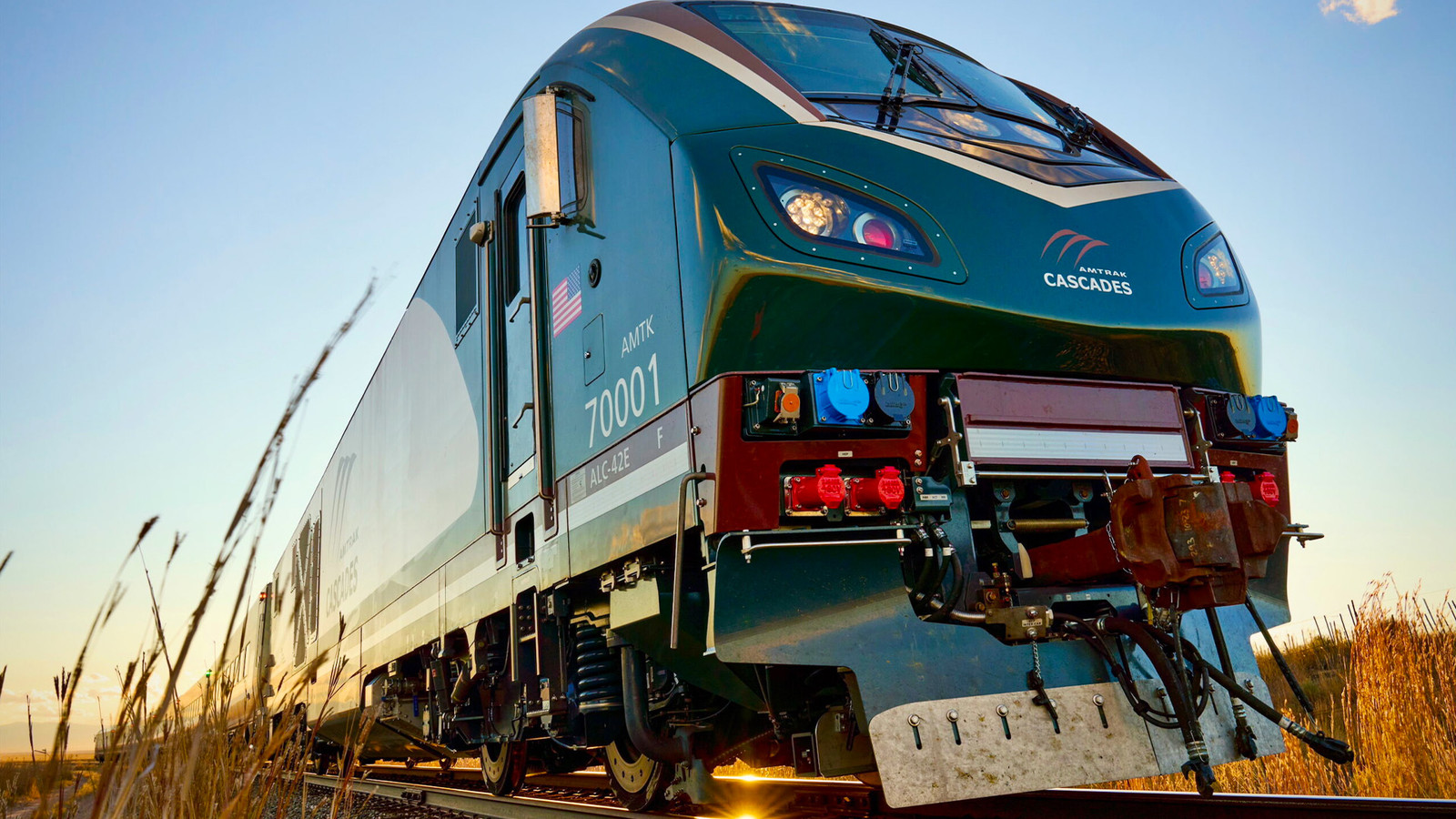
Transitioning to a single-level fleet also supports Amtrak’s goals for a greener future. These new cars are significantly lighter and more aerodynamic than their bulky, double-decker predecessors. Pulling a lighter train requires less fuel, which reduces the overall carbon footprint of each long-distance journey. When paired with the new Siemens ALC-42 Charger locomotives, the environmental benefits become even more pronounced. This synergy allows Amtrak to market itself as the most eco-friendly way to travel across America.
Furthermore, the materials used in the construction of these new cars will be more sustainable. Manufacturers are now using recyclable metals and advanced composites that are both durable and environmentally responsible. Even the interior fabrics and plastics are being selected with their long-term environmental impact in mind. By modernizing the fleet, Amtrak is essentially future-proofing the national rail network for decades to come. This commitment to the planet is a major selling point for younger generations of travelers.
The Future of the Iconic Dining Experience
The legendary Amtrak dining car is also getting a fresh look within the single-level framework. Engineers are designing new dining spaces that feel open, airy, and inviting for large groups of people. Because the kitchen and seating will sit on one level, the service becomes much faster and more efficient. Staff members will no longer have to struggle with food elevators or narrow stairs while carrying heavy trays. This improvement in workflow should lead to better food quality and a more relaxed atmosphere.
What’s interesting is that the new lounge cars will still act as the social heart of the train. These spaces will feature flexible seating arrangements that allow for both quiet contemplation and lively group conversations. Large, wrap-around windows will ensure that the scenic beauty of the Rockies or the Appalachians remains the star. Amtrak understands that the “social” aspect of train travel is why many people choose the rails over flying. They are committed to preserving that community feel even as the physical layout of the train changes.
A New Era of Reliability and Growth
The shift to a single-level fleet is more than just a change in appearance for Amtrak. It is a strategic move to build a more reliable, efficient, and inclusive national transportation system. By standardizing the equipment, Amtrak is ensuring that its long-distance routes can survive and thrive. This investment signals to the public that cross-country rail travel has a long and bright future. We are watching the beginning of a “New Golden Age” for American passenger rail.
In addition, this transition will help stabilize the domestic rail manufacturing industry for years to come. A massive order of 800 cars provides the predictable demand that American factories need to stay in business. This supports thousands of high-paying jobs in communities across the country where these trains are built. Ultimately, the move to single-level trains is a win for passengers, for workers, and for the environment. While we may miss the height of the Superliners, the benefits of this new path are undeniable.


More Stories
Unveiling the Unexpected Turns of Your Life Journey
Unforgettable Travel Journeys That Will Change Your
The Unwritten Map: A Journey Beyond the Horizon