


10 Hidden UNESCO Gems to Visit in 2026, The allure of travel often lies in discovering places that feel untouched by the frantic pace of modern life. As we navigate through 2026, the global travel community is shifting its focus toward “hidden” destinations that offer authenticity and deep history. UNESCO World Heritage sites provide a perfect roadmap for this kind of exploration. While the Pyramids and the Colosseum remain iconic, hundreds of other sites offer equal wonder with far fewer crowds.
What’s interesting is that UNESCO recently expanded its list to include several under-the-radar locations in 2024 and 2025. These new inscriptions highlight everything from ancient burial rituals in India to romantic 19th-century palaces in Germany. Choosing a hidden gem allows you to connect more deeply with the local culture and landscape. Furthermore, visiting these lesser-known spots helps distribute tourism revenue to communities that truly value your presence.
Investing your time in these sites means trading long lines for quiet contemplation and discovery. You will find that these locations often preserve traditions and ecosystems that are increasingly rare. Whether you are a history buff or a nature lover, the following ten sites offer something extraordinary for your 2026 bucket list. Let’s explore these remarkable treasures that are finally getting the recognition they deserve.

1. The Maratha Military Landscapes, India
Inscribed in 2025, the Maratha Military Landscapes represent a stunning network of twelve forts across the state of Maharashtra. These stone giants tell the story of the Maratha Empire’s rise through ingenious military architecture and strategic positioning. Many of these forts, like Salher and Shivneri, are perched on rugged mountain peaks with breathtaking views. They offer a physical look at how the landscape itself was used as a defensive weapon.
Furthermore, these sites remain largely unexplored by international tourists compared to the forts of Rajasthan. You can hike through ancient gateways and explore rock-cut water cisterns that still function today. The local communities around these forts maintain a proud connection to the history of the warrior-king Shivaji. Visiting in 2026 provides a chance to see these “sentinels of the Sahyadri” before they become mainstream.
2. The Moravian Church Settlements, USA, UK, and Germany
This unique transnational site was expanded in 2024 to include historic settlements in Bethlehem, USA, and Gracehill, UK. These communities reflect the global network and architectural ideals of the Moravian Church during the 18th century. The towns feature highly organized urban planning, with communal living spaces and beautiful, simple “Brethren’s Houses.” What’s interesting is how well-preserved these functional, religious colonies remain in a modern world.
In addition, the site in Bethlehem, Pennsylvania, offers a fascinating look at early American industrial and communal life. You can wander through the historic district and see the original limestone buildings that have stood for nearly three hundred years. These settlements were built on principles of equality and social welfare that were revolutionary for their time. This site is a perfect example of how “hidden” history can be found right in our backyards.
3. Møns Klint, Denmark
Added to the list in 2025, Møns Klint is a natural masterpiece located on the eastern coast of the island of Møn. These towering white chalk cliffs rise dramatically from the turquoise waters of the Baltic Sea. The area is home to diverse flora and fauna, including the rare and beautiful Large Blue butterfly. Hiking along the cliff edges offers some of the most spectacular coastal views in all of Northern Europe.
Furthermore, the site includes an interactive GeoCenter that explains the 70-million-year-old history of the chalk formations. You can even hunt for fossils along the beach at the base of the cliffs after descending a long wooden staircase. What’s interesting is that the area is also a designated Dark Sky Park, offering incredible stargazing opportunities. It is a perfect destination for those who want to combine natural beauty with scientific wonder.

4. The Megaliths of Carnac, France
The Megaliths of Carnac finally joined the UNESCO list in 2025, bringing new attention to these mysterious standing stones. Located in the Brittany region, this site features thousands of prehistoric granite stones arranged in long, precise lines. These alignments were created by Neolithic communities between 4700 and 2000 BC, predating Stonehenge by centuries. Walking through these fields of ancient stone creates a profound sense of connection to our distant ancestors.
In addition, the surrounding Gulf of Morbihan offers a beautiful coastal backdrop for your prehistoric exploration. You can take boat tours to see “submerged” megaliths that were covered by rising sea levels thousands of years ago. The local cuisine, famous for its fresh oysters and savory crepes, adds a delicious layer to the journey. Carnac remains a quiet alternative to the more crowded archaeological sites found in southern Europe.
5. Moidams – The Mound-Burial System, India
Located in the state of Assam, the Moidams were recognized in 2024 for their immense cultural and spiritual significance. These royal burial mounds belong to the Ahom Dynasty, which ruled the region for six hundred years. The mounds are hollow vaulted structures built of brick and stone, covered by earth to form elegant, grassy hills. They reflect the unique Tai-Ahom rituals and their deep belief in the afterlife.
What’s interesting is that the Moidams are often compared to the pyramids of Egypt due to their royal funerary purpose. However, their green, hemispherical appearance integrates them beautifully into the lush landscape of Northeast India. Exploring this site offers a peaceful and reverent look at a dynasty that successfully resisted Mughal expansion. It is a true hidden gem for those looking to venture off the beaten path in India.
6. Sado Island Gold Mines, Japan
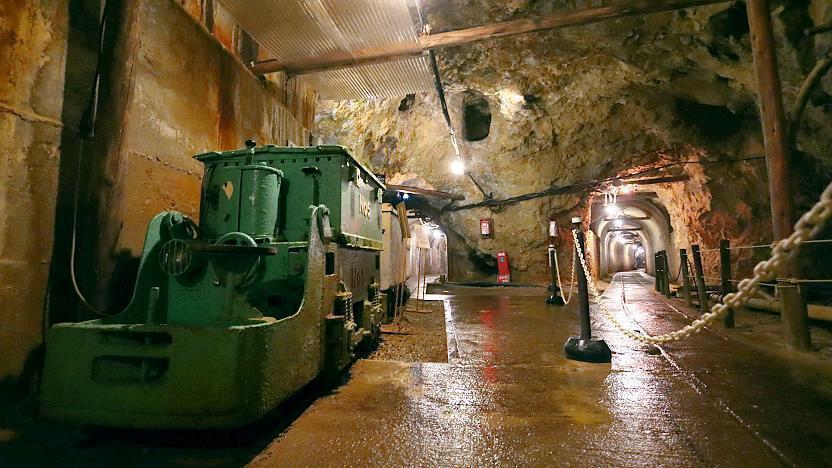
The Sado Island Gold Mines became a World Heritage site in 2024, preserving a history of mining that spans four hundred years. These mines were once among the most productive in the world, fueling the economy of the Edo period. Visitors can explore deep underground tunnels where traditional hand-mining techniques are displayed through life-sized dioramas. The sheer scale of the hand-carved shafts is a testament to human endurance and ingenuity.
Furthermore, the island of Sado itself is a cultural treasure trove known for its traditional “Noh” theater and taiko drumming. The remote location in the Sea of Japan has helped preserve a slower, more traditional way of life. You can enjoy locally brewed sake and fresh seafood while looking out over the rugged coastline. Visiting Sado in 2026 offers a perfect blend of industrial history and serene island culture.
7. The Archaeological Ensemble of Port Royal, Jamaica
Once known as the “wickedest city on earth,” Port Royal was partially submerged by a massive earthquake in 1692. The site was added to the UNESCO list in 2025 as a unique example of a “sunken” colonial city. While much of the city remains underwater, the terrestrial ruins provide a vivid look at 17th-century life. You can explore Fort Charles and the “Giddy House,” a lopsided building that survived the seismic shifts.
In addition, Port Royal serves as a vital center for underwater archaeology and marine biology. Scientists are still discovering remarkably preserved artifacts in the silt of the harbor, from clay pipes to glass bottles. This “Pompeii of the Caribbean” offers a much grittier and more authentic history than the nearby resort areas. It is a must-visit for anyone interested in the real-life history of pirates and privateers.
8. The Colonial Transisthmian Route, Panama
Before the Panama Canal existed, the Colonial Transisthmian Route served as the primary link between the Atlantic and Pacific oceans. Inscribed in 2025, this site includes the jungle-wrapped ruins of forts and cobblestone paths used by Spanish conquistadors. The route was used to transport Peruvian silver across the narrowest part of the Americas. Exploring the ruins of Portobelo and San Lorenzo allows you to walk the same paths as historic explorers.
Furthermore, the route passes through some of the most biodiverse rainforests in Central America. You can combine your history tour with birdwatching and wildlife spotting in the surrounding national parks. What’s interesting is that some sections of the original stone-paved “Camino Real” are still visible beneath the forest canopy. This site perfectly illustrates the intersection of global trade history and tropical nature.
9. Cultural Heritage Sites of Ancient Khuttal, Tajikistan
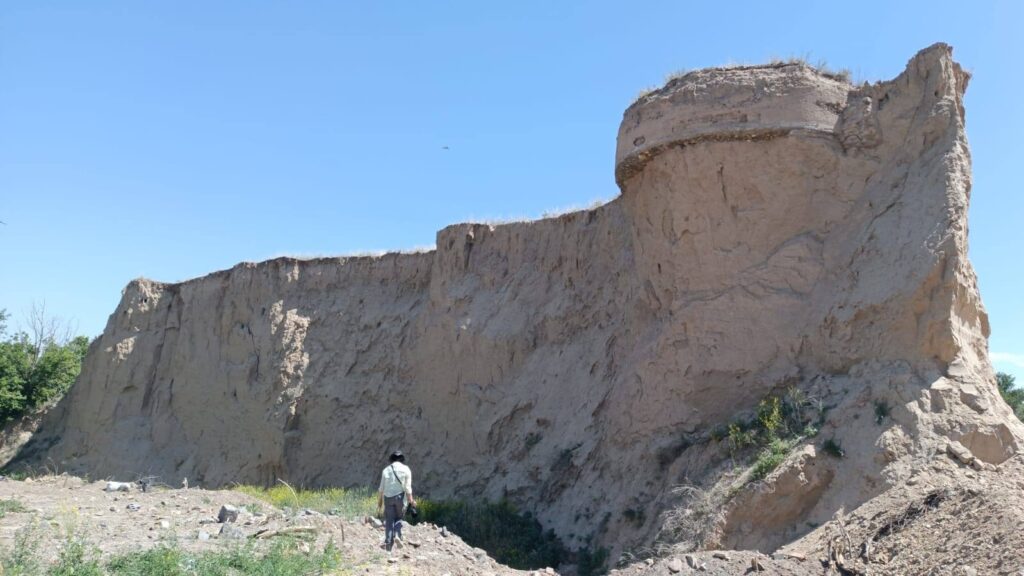
The medieval kingdom of Khuttal, located in present-day Tajikistan, joined the UNESCO list in 2025. This sprawling site features the remains of palaces, temples, and caravansaries that once thrived along the Silk Road. The architecture reflects a unique blend of local Persian influences and styles brought by traveling merchants. Excavations continue to reveal intricate frescoes and ceramics that demonstrate the kingdom’s incredible wealth and artistry.
In addition, the site is located in the stunning Pamir Mountains, often referred to as the “Roof of the World.” The journey to Khuttal is an adventure in itself, offering some of the most dramatic mountain scenery on the planet. Travelers in 2026 will find a warm welcome from the local Tajik communities, who are eager to share their history. It is a destination that feels truly frontier and undiscovered.
10. The Wixárika Route through Sacred Sites, Mexico
Recognized in 2025, this cultural landscape follows the ancient pilgrimage route of the Wixárika (Huichol) people. The route stretches across five Mexican states and connects various sacred sites used for spiritual rituals and offerings. These locations are vital for the preservation of Wixárika cosmology and their connection to the natural world. Traveling along sections of this route provides a rare and respectful look at a living indigenous culture.
What’s interesting is that the landscape changes dramatically along the route, from rugged mountains to high-altitude deserts. The Wixárika people are famous for their vibrant yarn paintings and intricate beadwork, which reflect their spiritual visions. Visiting this site in 2026 requires a high level of cultural sensitivity and respect for local traditions. It is an experience that goes beyond mere sightseeing, offering a deep spiritual connection to the land.


More Stories
Solo Travel: Why It’s the Ultimate Freedom You Need
Worldly on $50 a Day: Budget Travel Secrets Unlocked
Discover Hidden Horizons: The Ultimate Unconventional Travel Guide to Secret Destinations