


The 2026 Halal Food Boom. The year 2026 has marked a definitive turning point for the global food industry. No longer relegated to a “niche” dietary requirement, Halal food has surged into the mainstream, fueled by a unique convergence of demographic growth, ethical consumerism, and digital transparency.
With the global Halal food market projected to hit a staggering $3.26 trillion this year, savvy investors are looking past traditional tech stocks and toward the plate.
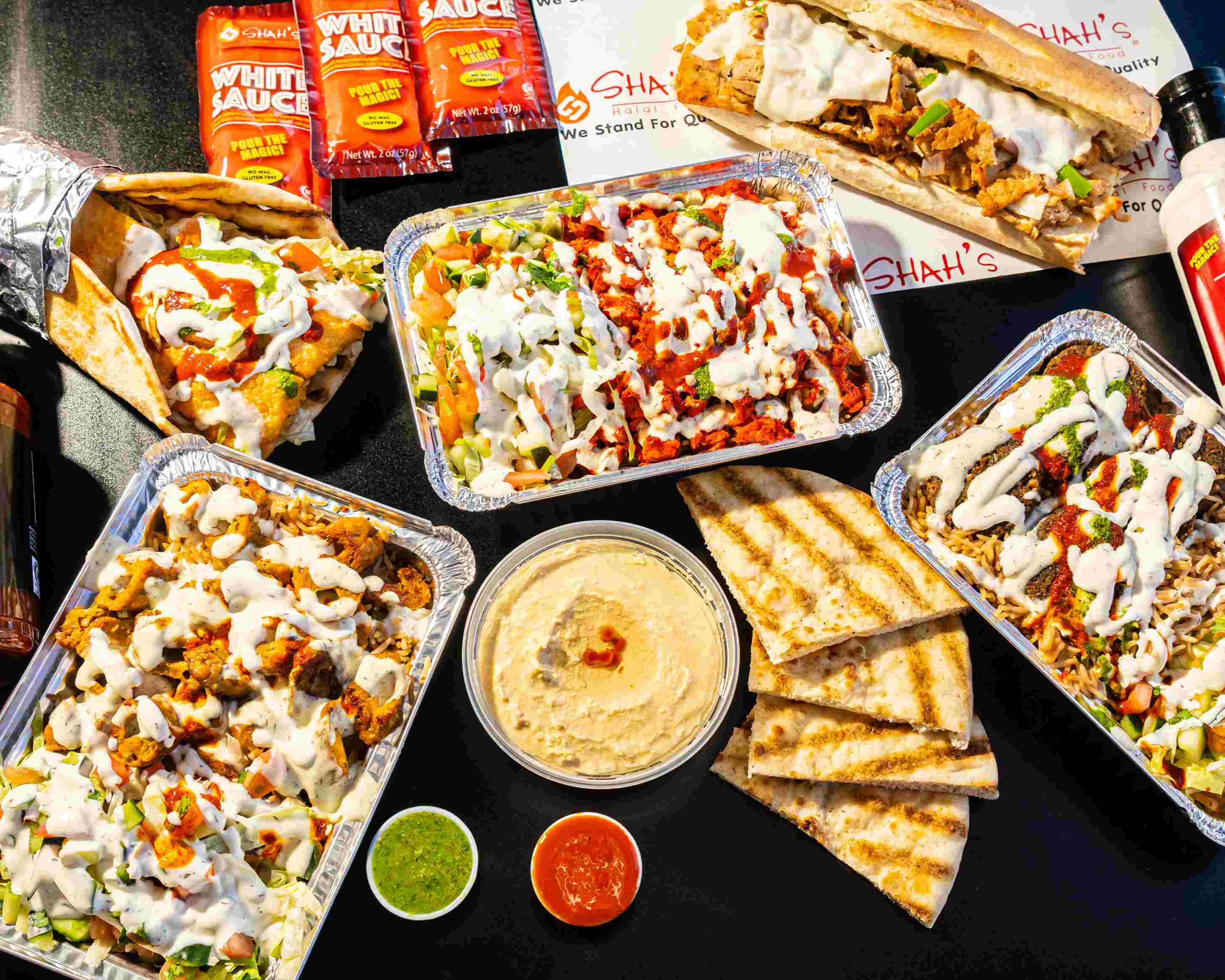
Among the frontrunners in this culinary gold rush is Shah’s Halal Food. From its humble beginnings as a single food cart on the streets of New York City, Shah’s has transformed into a high-growth franchise powerhouse with over 170 locations globally.
But as the competition heats up, the question remains: Is Shah’s Halal truly the best investment in 2026?
The Halal Super-Cycle: Understanding the 2026 Surge
To understand why brands like Shah’s are winning, one must first look at the broader economic landscape. In 2026, the demand for Halal-certified products is growing at a compound annual growth rate (CAGR) of 13.4%. Several key factors are driving this “super-cycle”:
- Demographic Momentum: The global Muslim population is the fastest-growing demographic, and their increasing purchasing power is reshaping retail strategy from London to Los Angeles.
- The “Halal Equals Healthy” Perception: A significant portion of the growth in 2026 is driven by non-Muslim consumers. For many, the “Halal” seal has become a proxy for food safety, ethical animal welfare, and “clean label” transparency.
- Institutional Support: Countries like Indonesia have accelerated the national Halal industry in 2026, implementing mandatory certification that has forced global supply chains to adapt, making Halal-compliant brands more resilient.
Shah’s Halal: From NYC Sidewalks to MetLife Stadium
Shah’s Halal Food is currently riding a wave of massive brand visibility. In a landmark 2025–2026 deal, Shah’s became the official partner of MetLife Stadium, the home of the New York Jets and Giants. This partnership was a watershed moment for the industry, placing authentic Middle Eastern platters right alongside traditional stadium hot dogs and burgers.
This move did more than just sell chicken over rice; it cemented Shah’s as a “lifestyle brand” capable of serving high-traffic, high-intensity venues. For investors, this partnership serves as a proof-of-concept for the brand’s operational scalability and mass-market appeal.
The Financials: Cost vs. Reward in 2026
For those looking to get into the franchise game, the numbers for Shah’s Halal are compelling but require a serious commitment. According to the latest 2026 franchise disclosure documents, the initial investment for a Shah’s Halal location ranges from $192,000 to $410,000.
Key Investment Breakdown:
- Initial Franchise Fee: $30,000.
- Royalty Fee: 5% of gross sales.
- Marketing Fee: 2% for national brand fund.
- Average Revenue: While results vary by location, industry estimates place the Average Unit Volume (AUV) for a high-performing Shah’s franchise at approximately $1.45 million.
Compared to competitors like Naz’s Halal or The Halal Guys, Shah’s offers a relatively accessible entry point with a strong emphasis on “signature family recipes” that have maintained their quality even as the brand has scaled to over 118 U.S. and Canadian establishments.
Expansion Strategy: The 2026 Roadmap
Shah’s isn’t just growing; it’s diversifying. The brand has successfully transitioned from mobile carts to “brick-and-mortar” eateries and is now aggressively targeting university campuses and major retail collections.
A prime example is the 2026 opening in The Davis Collection near the University of California, Davis. By securing spaces in upcoming shopping centers alongside other popular food concepts, Shah’s is positioning itself as a staple for the Gen Z and Millennial demographics, who prioritize both speed and authenticity.
Furthermore, the brand’s international footprint in the UK and Sweden continues to expand, providing a buffer against local economic fluctuations in any single market.
The “Shadow” Competition: A Crowded Table
While Shah’s is a leader, it is not alone. The 2026 Halal boom has attracted a massive wave of competitors.
- Specialized Rivals: Brands like Tahini’s Mediterranean Cuisine and Naz’s Halal are fighting for the same urban market share.
- Mainstream Pivots: Global giants like Buffalo Wild Wings and Yum China have begun introducing Halal-certified menu options in select regions to capture the growing demand.
Shah’s competitive edge lies in its authenticity and consistency. Many newer entries into the market struggle with “Halal-lite” versions of the food, whereas Shah’s has stayed true to the spice profiles and white sauce recipes that first made them a New York favorite.
Risk Factors for 2026 Investors
No investment is without risk. Prospective Shah’s franchisees in 2026 must navigate:
- Supply Chain Volatility: Fluctuating costs for high-quality, certified Halal meat can impact profit margins.
- Labor Shortages: The service industry continues to face hiring challenges, requiring owners to be more “hands-on” than in previous years.
- Certification Scrutiny: As the market grows, so does the oversight. Ensuring 100% compliance with evolving Halal standards is a non-negotiable operational cost.
Summary: Is it the Best Investment?
In the context of the 2026 Halal Food Boom, Shah’s Halal represents one of the most stable and “battle-tested” opportunities in the QSR (Quick Service Restaurant) sector. Its combination of low entry costs (relative to legacy burger chains), high cultural relevance, and aggressive marketing makes it a standout choice.
For investors who believe in the long-term trend of “Halal as the new mainstream,” Shah’s provides a proven model with a loyal fanbase. As the brand continues to plant its flag in iconic locations like MetLife Stadium, its valuation and brand equity are likely to see continued upward momentum.


More Stories
Tasty Recipes You Haven’t Tried—Yet!
Unlocking the Secrets: A Foodie’s Journey to the World’s Most Irresistible Flavors
Savor the Flavor: 10 Unforgettable Recipes That Will Blow Your Taste Buds Away!