


History of Risotto alla Milanese. Risotto alla Milanese is more than just a culinary delight; it is an emblem of Milanese heritage, a golden thread weaving together culture, art, and gastronomy.
Its rich, saffron-laden aroma fills kitchens and palates alike, but behind every luxurious bite lies a fascinating tale of origin, evolution, and tradition.
Understanding the History of Risotto alla Milanese – Milan’s Signature Dish Secrets unveils not just a recipe, but a window into centuries of Milanese identity.
Origins in Lombardy
The story of Risotto alla Milanese begins in the 16th century, in the bustling heart of Lombardy. Milan was a city of artisans, merchants, and culinary innovators. It was here, amid vibrant markets and grand palazzos, that saffron—a precious spice imported from the Middle East—found its way into local kitchens.
Rice had been introduced to Northern Italy during the late Middle Ages, likely through trade with the Arab world and Spanish-controlled territories in southern Italy. Milanese cooks began experimenting with rice, slowly transforming it from a humble staple into a luxurious dish worthy of the city’s opulent feasts.
The initial allure of saffron was not only its vivid golden hue but also its subtle, earthy bitterness. Combined with local butter, cheese, and aromatic broth, it elevated rice into a dish that was both visually stunning and richly flavorful. This combination laid the foundation for what would eventually be celebrated as Risotto alla Milanese.
Legendary Origins
A persistent legend ties the origin of Risotto alla Milanese to the construction of the Milan Cathedral (Duomo di Milano). According to this tale, a young apprentice working on the cathedral’s stained glass windows accidentally spilled saffron into a pot of rice prepared for a festive celebration. The resulting golden risotto delighted the diners, inspiring cooks to replicate the dish intentionally.
While the story may lean toward myth, it perfectly captures the romance and creativity that characterize Milanese cuisine. It also illustrates the city’s association with artistry, innovation, and an appreciation for beauty—qualities reflected in the dish itself.
This tale is an essential chapter in the History of Risotto alla Milanese – Milan’s Signature Dish Story, blending folklore with culinary tradition.
17th and 18th Century Evolution
During the 17th and 18th centuries, Risotto alla Milanese began to solidify its place in the culinary repertoire of Northern Italy. Wealthy Milanese families embraced the dish as part of formal dining, often serving it alongside ossobuco, a braised veal shank slow-cooked to perfection. The pairing created a symphony of flavors: the rich, succulent veal harmonizing with the saffron-infused creaminess of the rice.
At this time, local markets became essential hubs for the distribution of high-quality saffron, butter, and Parmigiano Reggiano—the ingredients that would define authenticity. Recipe manuscripts from this period reveal meticulous attention to timing, broth preparation, and the delicate “mantecatura” process, which creates the risotto’s signature creamy texture.
The dish’s popularity spread gradually, reaching beyond aristocratic tables to local trattorias and family kitchens. By the late 18th century, it had become synonymous with Milanese identity—a dish that could communicate wealth, taste, and cultural refinement simultaneously.
Ingredients and Their Significance
Every component of Risotto alla Milanese has a story of its own, contributing to the History of Risotto alla Milanese – Milan’s Signature Dish Explained.
Saffron
Saffron, the crown jewel of this dish, was historically imported from the Middle East and later cultivated in parts of Lombardy. Its rarity and labor-intensive harvesting process made it a symbol of prestige. Just a few threads transform a simple rice dish into a golden, aromatic masterpiece.
Rice
Arborio and Carnaroli rice varieties became staples due to their high starch content, which allows the rice to absorb liquid gradually while maintaining a firm center. This creates the creamy consistency essential to authentic risotto.
Butter and Cheese
Local butter adds richness, while Parmigiano Reggiano introduces depth and umami. The final “mantecatura” step, stirring in cold butter and cheese, binds the dish into a velvety texture, reflecting centuries of refined technique.
Broth
Traditional recipes favor a light veal or beef broth, although chicken or vegetable broths are acceptable alternatives. The warmth and quality of the broth are crucial, as they infuse the rice while supporting the saffron’s delicate flavor.
Together, these ingredients create a dish that is more than the sum of its parts, a reflection of Milanese taste, history, and ingenuity.
Culinary Techniques Through the Ages
The preparation of Risotto alla Milanese has remained surprisingly consistent over centuries, a testament to the timelessness of Milanese culinary wisdom. Central techniques include:
- Tostatura: Lightly toasting the rice in butter or fat to impart a subtle nutty aroma.
- Gradual Broth Incorporation: Adding hot broth ladle by ladle, allowing each addition to be absorbed.
- Mantecatura: The final step of whisking in cold butter and grated Parmigiano Reggiano for a creamy, luxurious texture.
These methods illustrate that the dish is as much about skill and intuition as it is about ingredients. This combination of artistry and science underpins the History of Risotto alla Milanese – Milan’s Signature Dish Journey, preserving its integrity while allowing minor adaptations over time.
Risotto alla Milanese in Milanese Culture
By the 19th century, Risotto alla Milanese had transcended its origins to become a cultural icon. Its presence in Milanese literature, art, and public celebrations underscores its symbolic weight. Families would prepare the dish during festive occasions, marking both social and personal milestones.
It also became a marker of identity. Milanese cuisine emphasizes balance, refinement, and respect for high-quality ingredients, and Risotto alla Milanese embodies these principles fully. The dish is more than sustenance; it is a reflection of civic pride and culinary sophistication.
The integration of Risotto alla Milanese into Milanese culture exemplifies why the History of Risotto alla Milanese – Milan’s Signature Dish Secrets remains relevant today—it is a living tradition that connects modern kitchens with centuries of heritage.
Variations and Adaptations
Throughout its history, Risotto alla Milanese has inspired creative adaptations without straying from its essence. While purists favor the classic saffron-infused recipe, chefs have explored subtle variations:
- Seafood Risotto alla Milanese: Incorporating shrimp or scallops to pair the golden rice with delicate marine flavors.
- Vegetable Infusions: Seasonal vegetables, like peas or roasted squash, can complement the saffron’s warmth.
- Cheese Variations: While Parmigiano Reggiano remains standard, some recipes experiment with mascarpone or taleggio to enrich texture.
Despite these innovations, the foundational techniques and flavors continue to honor tradition, maintaining a clear link to the original dish and its historical roots.
Global Recognition
In the 20th and 21st centuries, Risotto alla Milanese became emblematic of Italian cuisine on the global stage. Restaurants worldwide showcase this Milanese classic, and food enthusiasts recognize it as a symbol of Italian culinary artistry.
Its international popularity highlights the enduring influence of Milanese culture and culinary sophistication. The golden risotto serves as a bridge between local tradition and global appreciation, cementing its status as one of Italy’s most beloved and iconic dishes.
The History of Risotto alla Milanese – Milan’s Signature Dish Explained emphasizes that this is more than a recipe—it is a cultural export carrying centuries of heritage.
Modern Day Preparation
Today, home cooks and professional chefs alike continue to celebrate Risotto alla Milanese with reverence. Cooking it at home requires understanding both its ingredients and its technique: maintaining a gentle simmer, gradually adding broth, and finishing with mantecatura.
Modern kitchens may employ electric stoves or rice cookers, but the essence remains unchanged. The ritual of stirring, tasting, and perfecting each grain ensures that the dish retains its historical significance while accommodating contemporary lifestyles.
Lessons from History
The evolution of Risotto alla Milanese teaches several enduring lessons:
- Respect for Ingredients: High-quality components are non-negotiable, from saffron to Parmigiano Reggiano.
- Patience and Technique: Slow, deliberate processes like gradual broth addition and mantecatura are crucial.
- Cultural Integration: Food is a medium of identity, tradition, and pride.
- Creativity Within Tradition: Adaptations are possible, but respecting the core principles ensures authenticity.
These insights underscore why the History of Risotto alla Milanese – Milan’s Signature Dish Story remains a compelling narrative for chefs, food historians, and culinary enthusiasts.
Serving Traditions
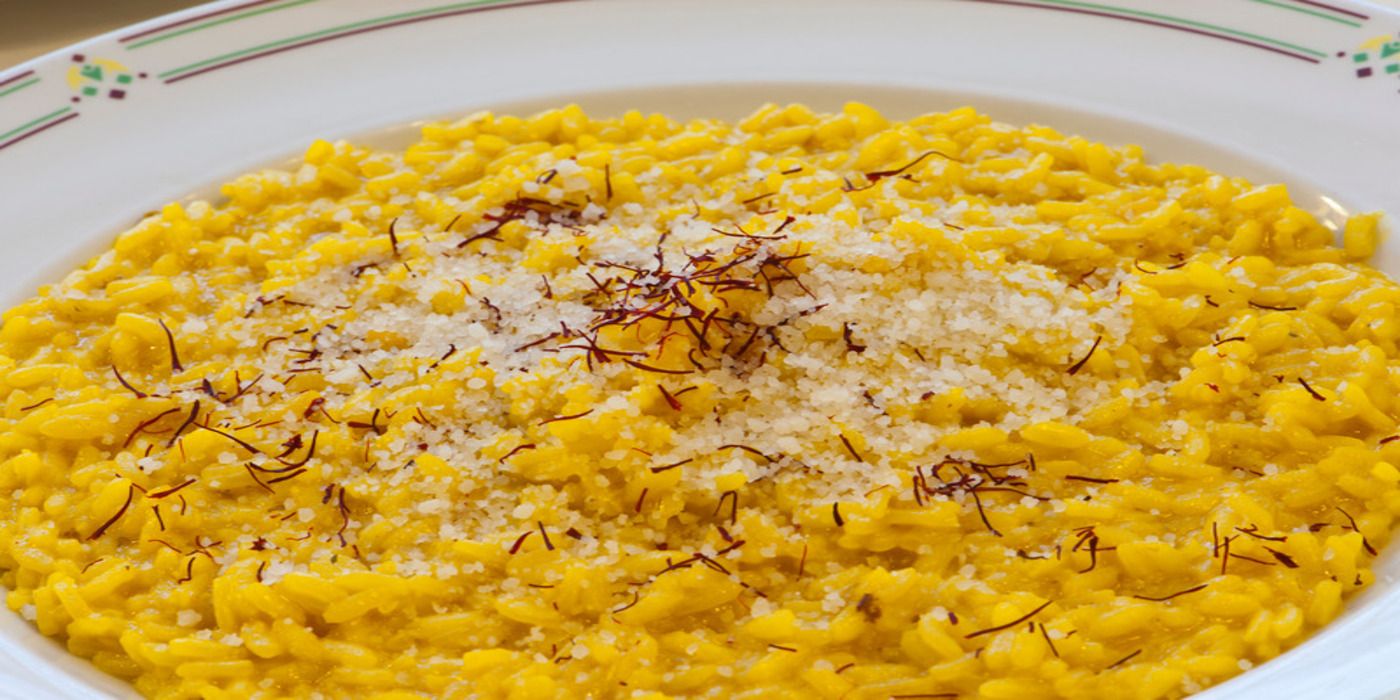
Traditionally, Risotto alla Milanese is paired with ossobuco or served as a standalone celebration dish. It is presented in shallow bowls to display the vibrant saffron hue, often garnished with extra Parmigiano Reggiano or a small knob of butter.
In Milanese households, serving this dish is an act of hospitality and reverence, an acknowledgment of heritage passed down through generations. Even simple meals are elevated when the golden rice graces the table, illustrating the enduring significance of this culinary masterpiece.
Conclusion
The History of Risotto alla Milanese – Milan’s Signature Dish Secrets reveals a rich tapestry of culinary innovation, cultural pride, and timeless tradition. From its 16th-century origins amid Milanese markets to its modern-day global recognition, Risotto alla Milanese has remained a symbol of elegance, precision, and artistry.
Exploring the History of Risotto alla Milanese – Milan’s Signature Dish Journey allows us to appreciate the intricate interplay of ingredients, technique, and heritage. Each grain of rice tells a story, every thread of saffron whispers a legacy of refinement, and the finished dish embodies centuries of Milanese ingenuity.
Whether enjoyed in a grand Milanese palazzo or a cozy home kitchen, Risotto alla Milanese continues to enchant, nourish, and inspire. Understanding its History of Risotto alla Milanese – Milan’s Signature Dish Explained provides not only culinary knowledge but also a deep appreciation for the cultural and historical significance of one of Italy’s most iconic dishes.
The enduring allure of Risotto alla Milanese lies in its ability to connect the past with the present, blending luxury and simplicity in every golden, creamy bite. Its History of Risotto alla Milanese – Milan’s Signature Dish Story is far more than a recipe—it is a celebration of Milanese identity, a testament to culinary artistry, and a beacon of Italian gastronomic heritage.


More Stories
Southeast US Cider and Food Festivals 2026: Harvest Guide
Blue Ridge Fall Dining Guide 2026: Top Culinary Destinations
Supermarket Tourism Trends 2026: Exploration Is Reshaping Travel