

Strait of Hormuz 2026. In March 2026, the Strait of Hormuz has transformed from a vital global artery into a high-stakes maritime chessboard.
Following the outbreak of hostilites between Iran and Western forces on February 28, 2026—known as Operation Epic Fury—the world’s most critical chokepoint has become “functionally closed” to traditional shipping.
While standard tankers sit at anchor and global oil prices fluctuate, a massive, clandestine operation is moving millions of barrels of crude right under the nose of the blockade.
This is the story of Iran’s “Shadow Fleet” (or “Ghost Fleet”) and the sophisticated digital and physical tactics they are using to keep the regime’s oil flowing in 2026.
The Functional Blockade of 2026
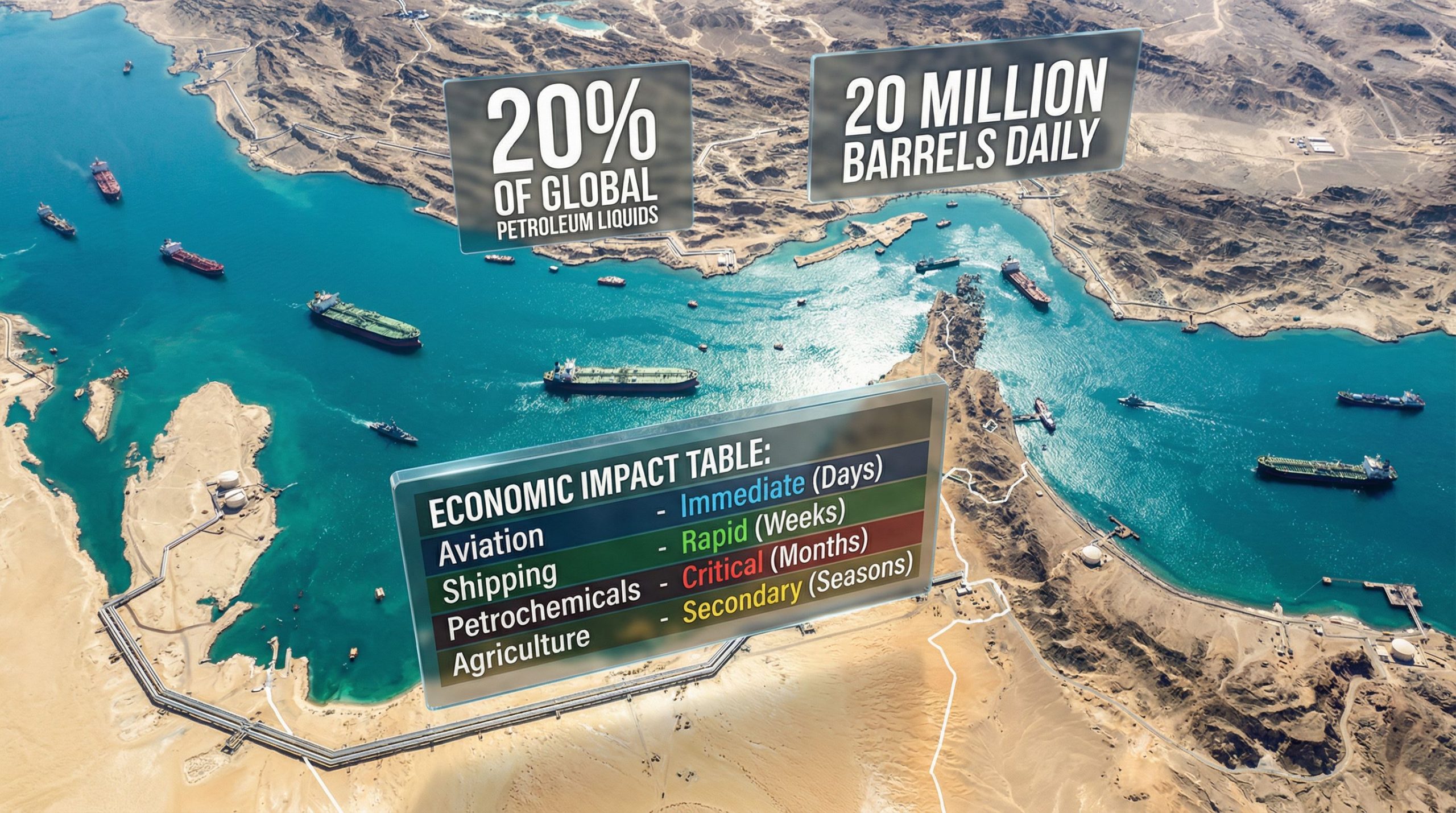
The Strait of Hormuz is a narrow waterway through which roughly 20% of the world’s oil and LNG supplies transit. In early March 2026, Iran officially announced the closure of the Strait to ships from the U.S., Israel, and their Western allies. While the U.S. Navy has successfully struck several Iranian frigates, Iran’s coastal battery of drones and missiles has imposed a “risk-based blockade” that has caused commercial transit to collapse by nearly 90%.
However, the blockade is not universal. Satellite imagery and maritime intelligence reports from mid-March 2026 confirm that a specific class of vessels is still making the journey: The Shadow Fleet.
Anatomy of a Shadow Tanker
The Shadow Fleet is not a new concept, but in 2026, it has reached its most advanced form. These are typically elderly VLCCs (Very Large Crude Carriers) that operate outside the traditional maritime insurance and regulatory frameworks.
- Opaque Ownership: Most of these vessels are owned by “shell companies” based in jurisdictions with minimal oversight.
- Aged Infrastructure: Many are 15-20 years old, often sailing without P&I (Protection and Indemnity) insurance from Western providers.
- The Chinese Shield: In 2026, a significant portion of these tankers signal their neutrality by broadcasting “CHINA CREW” or “CHINA OWNER” on their transponders, effectively daring Western forces to risk an international incident by intercepting them.
Tactical Maneuvers: How the Blockade is Broken
The Shadow Fleet uses a combination of “dark” maneuvers and digital deception to bypass the 2026 blockade.
1. “Going Dark” (AIS Blackouts)
The primary tactic is disabling the Automatic Identification System (AIS). Maritime AI platforms like Windward and Lloyd’s List Intelligence have detected a surge in “dark vessel” activity within the Strait. By turning off their transponders, these tankers become invisible to civilian tracking software, relying on radar-evasive maneuvers and IRGC (Islamic Revolutionary Guard Corps) escorts to navigate the narrow passage at night.
2. Ship-to-Ship (STS) Transfers in the “Gray Zones”
Iran entered the 2026 conflict with a record 190 million barrels of oil “on the water.” To avoid the bottleneck of the Strait, much of this oil was prepositioned in floating storage near Malaysia and Singapore.
In the East Outer Port Limits (EOPL) off Malaysia, shadow tankers engage in complex STS transfers. An Iranian-loaded tanker will transfer its cargo to a seemingly “clean” vessel, which then delivers the oil to refineries in Asia, completely obscuring the Iranian origin of the crude.
3. Identity Spoofing and “Flag Hopping”
In 2026, digital spoofing has become more sophisticated. Shadow tankers can manipulate their GPS signals to show them docked in a safe port while they are actually loading oil at Kharg Island. Additionally, these ships frequently “hop” between different flags—switching from Panama to Barbados to Gabon in a matter of weeks—to stay ahead of international sanction lists.
The China Connection: The Yuan Corridor
The most significant update in the 2026 energy crisis is the role of the Chinese Yuan. While the U.S. and Israel have locked out Western-linked shipping, Chinese tankers and those serving the “parallel yuan-denominated energy corridor” move with relative freedom.
China has reportedly been paying for Iranian crude in Yuan via its CIPS (Cross-Border Interbank Payment System), bypassing the SWIFT network and U.S. dollar-based sanctions. This allows the Iranian regime to maintain a financial lifeline despite being effectively cut off from the global banking system.
Security Risks and the Environmental Time Bomb
The use of the Shadow Fleet to break the 2026 blockade carries immense risks:
- Collisions: With hundreds of ships “going dark” and using GPS jamming to avoid missiles, the risk of a major collision in the congested waters of the Gulf of Oman is at an all-time high.
- Oil Spills: Because these elderly ships lack proper insurance and maintenance, a single projectile strike could result in an environmental catastrophe that would dwarf previous spills, potentially desalinization plants across the Gulf.
- Piracy: As traffic is diverted to alternative routes like the Cape of Good Hope, piracy in the Western Indian Ocean has seen a sharp resurgence in 2026.
Conclusion: The Persistence of the Shadow Fleet
As of mid-March 2026, the Strait of Hormuz remains a graveyard for traditional shipping, but a highway for the illicit. The “Shadow Fleet” has proven that in a world of total surveillance, there are still dark corners where oil and money can flow.
While Western naval missions like Operation Aspides weigh the risks of intervention, Iran’s clandestine tankers continue to count on the “China Shield” and digital deception to keep the regime’s economy afloat. The 2026 blockade hasn’t stopped the oil—it has simply pushed it into the shadows.


More Stories
Off-Peak Travel Shifts Autumn 2026: Trends and Data
NYC Leads Fall 2026 City Getaways: 2027 Travel Outlook
AI Travel Concierge Search Up 350%: Trends and 2027 Outlook