


Eco-Tourism Business Growth: A Sustainable Shift in the Travel Industry. Eco-tourism is no longer a niche trend—it’s a booming sector in the global travel industry.
As travelers increasingly seek experiences that are environmentally responsible, culturally enriching, and socially conscious, eco-tourism has emerged as a vital component of sustainable development. The growth of the eco-tourism business presents a wealth of opportunities for entrepreneurs, local communities, and conservation efforts.
We’ll explore the current growth of eco-tourism, the factors driving it, key strategies for business success, and practical tips to stay ahead in the green travel revolution.
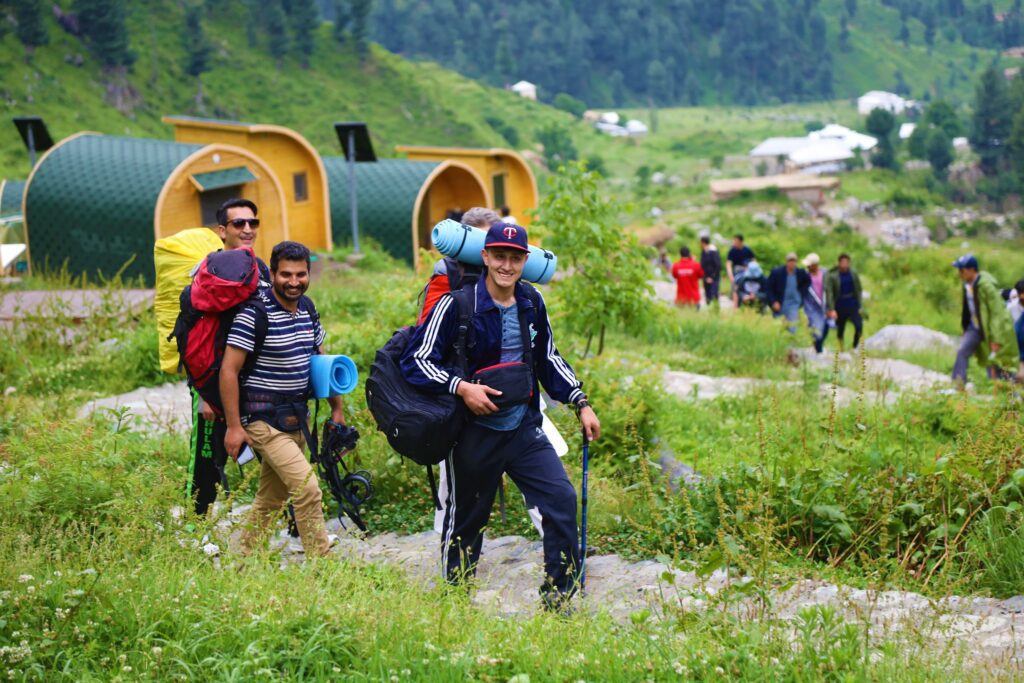
The Rise of Eco-Tourism in 2025
Eco-tourism is defined as responsible travel to natural areas that conserves the environment, supports local people, and involves education and interpretation. In 2025, eco-tourism is experiencing exponential growth, driven by global awareness of climate change, sustainability, and the importance of preserving biodiversity.
Several studies have shown that post-pandemic travelers prioritize meaningful experiences, and more than 70% of global tourists now express interest in sustainable travel. Governments and tourism boards are also promoting eco-tourism to protect cultural heritage sites and fragile ecosystems.
Notably, eco-tourism is expanding beyond traditional nature tours. It now includes regenerative tourism, community-based tourism, and eco-lodges that operate with zero waste and renewable energy. From the Amazon rainforest to the coral reefs of Raja Ampat, eco-tourism businesses are creating profitable models while protecting the planet.
Maybe you are interested: Best Family Trip Ideas 2025 – Memorable and Budget-Friendly Getaways
Key Drivers Behind Eco-Tourism Growth
- Environmental Awareness: With worsening environmental crises, tourists want to reduce their carbon footprint and travel responsibly.
- Digital Access to Sustainable Options: Platforms like EcoHotels.com and Responsible Travel make it easier for travelers to book eco-friendly services.
- Youth Market Trends: Millennials and Gen Z prioritize values-driven consumption. They prefer experiences that align with sustainability and community impact.
- Government and NGO Support: Policies encouraging conservation tourism, green certifications, and community engagement have fueled the industry.
- Media and Social Influence: Influencers and documentaries highlighting climate issues have shifted public sentiment toward sustainable travel.
Opportunities for Eco-Tourism Entrepreneurs
Eco-tourism offers scalable business models suitable for different regions and capital levels. These include:
- Eco-lodges and Resorts: Build accommodations using natural materials, solar energy, and waste management systems.
- Community-based Tourism: Offer homestays, guided cultural tours, or farm experiences operated by local communities.
- Adventure Eco-Tours: Organize wildlife safaris, forest treks, or marine conservation diving trips with minimal ecological disruption.
- Educational Programs: Host eco-camps or volunteer tourism focused on sustainability learning.
- Eco-Friendly Transport Services: Develop bike rental systems, electric vehicle tours, or canoe rentals in protected areas.
By prioritizing low-impact practices and involving local populations, these businesses not only attract conscious travelers but also gain a competitive edge in the global tourism economy.
Best Practices for Building a Sustainable Eco-Tourism Business
To succeed in eco-tourism, businesses must balance profitability with sustainability and social responsibility. Here’s how:
- Conduct Environmental Impact Assessments: Before launching, evaluate the long-term effects of your operations on the environment.
- Partner with Local Communities: Involve local people as guides, hosts, and suppliers. Share profits fairly and respect indigenous knowledge.
- Focus on Education: Provide travelers with information about ecosystems, conservation efforts, and responsible behavior during tours.
- Seek Eco-Certification: Apply for recognized certifications such as Green Globe, EarthCheck, or Rainforest Alliance to enhance credibility.
- Use Renewable Resources: Opt for solar power, rainwater harvesting, compost toilets, and plastic-free alternatives.
- Limit Group Sizes: Smaller groups reduce environmental degradation and offer more authentic, personalized experiences.
- Market Transparently: Clearly communicate your sustainability goals and achievements through websites, blogs, and social media.
Challenges Facing Eco-Tourism Businesses
Despite its growth, eco-tourism faces several challenges. Greenwashing—or the false portrayal of eco-friendliness—can mislead consumers and damage the industry’s reputation. Entrepreneurs must ensure that their sustainability claims are genuine and backed by measurable actions.
Another challenge is balancing tourism volume with environmental preservation. Over-tourism in sensitive areas can lead to degradation. Smart planning, seasonal visitor limits, and reinvestment in conservation are essential.
In some regions, lack of infrastructure and regulatory support can hinder business development. Working with NGOs and seeking international eco-tourism networks can help overcome these barriers.
Future Outlook of Eco-Tourism
The future of eco-tourism is promising. Technological advancements are enabling better monitoring of tourist impact, while AI and data analytics help optimize visitor flows to prevent overuse of natural sites.
Virtual and augmented reality tours are also gaining traction, offering immersive learning experiences while minimizing actual physical presence. Additionally, carbon offset programs and blockchain-based eco-certification may become standard practices.
Governments are likely to introduce more strict policies to protect biodiversity hotspots, and consumers will continue to prioritize authentic, ethical travel experiences.

Quick Tips for Eco-Tourism Business Growth
- Invest in staff training: Ensure your team understands eco-friendly practices and guest education.
- Build strong community relationships: Trust and local knowledge enhance guest experience and long-term sustainability.
- Promote user-generated content: Encourage visitors to share their stories to organically boost your visibility.
- Offer unique, local experiences: From cooking classes with villagers to reforestation volunteering, offer more than sightseeing.
- Continuously measure and improve: Track energy use, waste, and customer feedback to adapt and grow responsibly.
Maybe you are interested: Cultural Tourism Integration: A Pathway to Sustainable and Enriching Travel
Conclusion
Eco-tourism is not just a trend—it’s a transformation in how we travel. For entrepreneurs and businesses, embracing eco-tourism means tapping into a growing market while contributing to environmental preservation and cultural appreciation. By prioritizing sustainable practices, respecting local communities, and delivering educational and immersive experiences, eco-tourism ventures can thrive while protecting the planet for generations to come.


More Stories
Off-Peak Travel Shifts Autumn 2026: Trends and Data
NYC Leads Fall 2026 City Getaways: 2027 Travel Outlook
AI Travel Concierge Search Up 350%: Trends and 2027 Outlook