


How to Store Olive Oil Properly. Olive oil is more than just an ingredient—it’s a living essence of nature, a fluid embodiment of sunlight, soil, and centuries of craftsmanship.
Yet, despite its near-mystical allure, olive oil is surprisingly fragile. The same golden nectar that enriches our meals with flavor and vitality can, if mistreated, lose its character in a matter of weeks. Proper storage is not an afterthought—it is an art form.
To safeguard its freshness, aroma, and nutritional power, one must understand the delicate science and sensory wisdom behind How to Store Olive Oil Properly for Maximum Freshness Guide.
The Delicate Nature of Olive Oil
Olive oil is not immortal. Unlike wine, it does not improve with age. From the moment it’s pressed, the countdown to its decline begins. Exposure to light, heat, and oxygen—the three silent enemies—triggers oxidation, a chemical process that dulls flavor, alters color, and erodes its nutritional potency.
Think of olive oil as a symphony of volatile compounds—polyphenols, chlorophyll, and aromatic molecules—that harmonize to create its distinctive taste and fragrance. Each one is sensitive, easily altered by its surroundings. To maintain that perfect balance, storage becomes a form of preservation—a ritual that ensures every drizzle retains the vigor of the grove.
Understanding the Enemies of Freshness
Before delving into the How to Store Olive Oil Properly for Maximum Freshness Secrets, it’s essential to know what conspires against its longevity.
1. Light
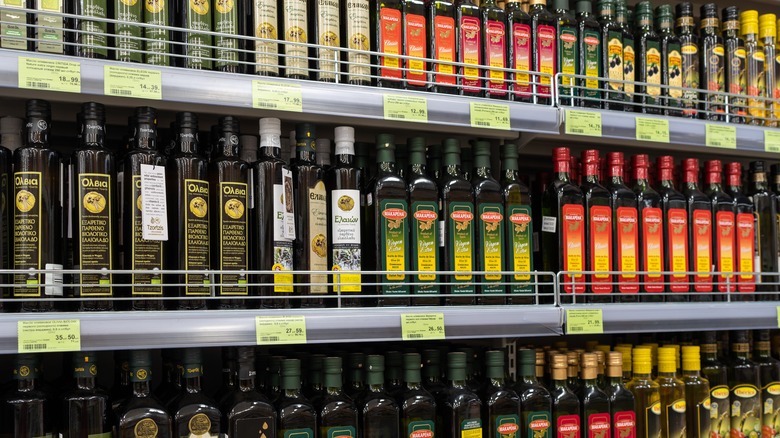
Light, especially ultraviolet rays, is olive oil’s most aggressive foe. It breaks down chlorophyll and accelerates photooxidation, resulting in rancid notes and diminished color. Clear bottles may look elegant on a countertop, but they expose the oil to degradation far faster than dark or opaque containers.
2. Heat
Temperature is equally treacherous. Heat catalyzes oxidation, reducing both the shelf life and the nutritional integrity of the oil. The ideal storage range lies between 55°F and 65°F (13°C–18°C). Even moderate fluctuations can affect the oil’s chemistry over time.
3. Oxygen
Air exposure slowly robs olive oil of its vitality. Once the bottle is opened, oxygen begins to mingle with its compounds, causing oxidation and flavor decay. This is why large containers, though economical, are not ideal for everyday use unless you decant smaller portions for regular cooking.
4. Time
Finally, time itself. Even under perfect conditions, olive oil is best enjoyed within 12 to 18 months of pressing. After that, its brightness fades. The clock is always ticking, urging us to savor it while it’s at its aromatic peak.
Choosing the Right Container
The container is the first line of defense in the How to Store Olive Oil Properly for Maximum Freshness Guide. Its material and design determine how well the oil is shielded from its enemies.
Dark Glass Bottles
Amber or green-tinted glass is a timeless favorite. It filters out harmful light while preserving the oil’s elegance. Always ensure that the bottle seals tightly to minimize oxygen infiltration.
Stainless Steel Tins
For bulk storage, stainless steel reigns supreme. Nonreactive and opaque, it provides exceptional protection from both light and air. Many artisanal producers use these tins for transport and aging.
Ceramic or Clay Jugs
Traditional and aesthetically pleasing, ceramic containers can offer both insulation and protection from light—provided they’re glazed internally to prevent absorption.
Avoid Plastic
Plastic containers are porous, allowing oxygen to seep in over time. They can also leach chemicals into the oil, compromising purity. Always transfer plastic-bought olive oil into a glass or metal vessel as soon as possible.
Each container choice reflects an understanding of How to Store Olive Oil Properly for Maximum Freshness Made Easy—the intersection between practicality and preservation.
The Ideal Environment: Darkness, Coolness, Stillness
Once you’ve chosen the right vessel, the next step is finding its sanctuary—a place that embodies cool, consistent darkness and calm.
Temperature Control
Store olive oil in a cool pantry, away from stoves, ovens, or sunlight. A temperature-controlled cupboard or cellar is ideal. Avoid refrigeration unless absolutely necessary; while it prolongs shelf life, cold temperatures can cause cloudiness or solidification. The oil will return to normal once warmed, but repeated temperature swings can alter flavor.
Away from Light Sources
Even indirect sunlight can accelerate spoilage. Keep bottles behind closed doors, in shaded cabinets, or wrapped in cloth if left on open shelves. Remember: light exposure for even a few weeks can drastically diminish quality.
Minimal Air Contact
After each use, ensure the cap is tightly sealed. Oxygen’s slow creep can erode even the finest oil’s integrity. For frequent cooks, consider smaller bottles that can be finished quickly, refilled from larger, well-sealed containers stored in darker, cooler conditions.
Avoiding Kitchen Hazards
Kitchens, for all their warmth and vitality, are not ideal environments for storing olive oil. The very place where we celebrate food’s transformation is often too hostile for its preservation.
Not Beside the Stove
It’s tempting to keep olive oil within arm’s reach while cooking, but the constant heat from burners can dramatically shorten its life. Even mild warmth accelerates the chemical reactions that dull its freshness.
Not on the Countertop
Though visually appealing, displaying bottles near windows or under kitchen lights invites degradation. Always prioritize function over form.
Not in the Refrigerator (Usually)
Refrigeration can cause condensation inside the container, introducing moisture—another adversary. Only in very hot climates should olive oil be refrigerated, and even then, it must be brought to room temperature before use to restore fluidity and flavor.
These subtle yet vital precautions are the heart of How to Store Olive Oil Properly for Maximum Freshness at Home—simple rituals that preserve the oil’s golden soul.
Recognizing the Signs of Spoilage
Even with care, olive oil eventually ages. Recognizing when it’s past its prime prevents the disappointment of muted flavors or unpleasant aromas.
- Smell: Fresh olive oil should evoke grass, herbs, or fruit. Rancid oil smells waxy or like crayons—a sign of oxidation.
- Taste: A balanced oil will be fruity with a touch of bitterness and pepper. When those qualities fade into flatness or sourness, the oil has gone stale.
- Color: While not the best indicator, oxidized oil may darken and lose its luminous clarity.
Never cook with rancid olive oil—it not only spoils the flavor but also diminishes nutritional value. True freshness is perceptible even in the smallest drop.
Bulk Buying and Smart Decanting
Buying olive oil in bulk can be economical, but it requires strategy. Once opened, even large tins or bottles begin their slow decline.
Divide and Protect
Purchase one large container for storage and several smaller dark bottles for everyday use. Refill them as needed, minimizing air exposure each time.
Limit Exposure
Never leave the cap open for long periods. Even brief air contact allows oxygen to seep in. When decanting, use a funnel and pour carefully to avoid introducing bubbles.
Date and Rotate
Always note the purchase or pressing date. Use older oil first, and avoid stockpiling more than you can use within a year.
Mastering these practices ensures that every pour tastes as vibrant as the day it was bottled—a living reflection of How to Store Olive Oil Properly for Maximum Freshness Guide.
Pairing Storage with Olive Oil Types
Different olive oils have different sensitivities based on their composition and extraction method. Understanding this subtlety can refine your approach to storage.
Extra Virgin Olive Oil
Rich in antioxidants and polyphenols, extra virgin olive oil is the most perishable yet most precious. It demands cool, dark conditions and minimal air contact.
Virgin or Refined Olive Oil
More stable but less aromatic, these varieties can tolerate slightly higher temperatures. Still, they benefit greatly from protection against light and heat.
Flavored or Infused Oils
Garlic, chili, or herb-infused oils spoil faster due to organic matter within them. Always store these in the refrigerator and use within two months.
Each oil’s temperament reveals another layer of How to Store Olive Oil Properly for Maximum Freshness Secrets, teaching that preservation is not one-size-fits-all—it’s tailored to the oil’s soul.
Seasonal Adjustments and Climate Considerations
Where you live profoundly influences how you store olive oil. A Tuscan farmhouse, a New York apartment, and a desert villa each pose unique challenges.
In Warm Climates
Heat becomes the primary threat. Store olive oil in the coolest, darkest room of the home, ideally in earthenware or steel containers. If temperatures exceed 80°F (27°C) for extended periods, refrigeration may be the only option—just be mindful of condensation.
In Cold Climates
Cold can cause olive oil to thicken or crystallize. Avoid freezing, as this may affect texture. Simply allow the oil to rest at room temperature before using; it will regain its silky consistency without harm.
In Humid Areas
Moisture can creep into improperly sealed containers, promoting spoilage. Always ensure the cap is dry and tightly closed.
Adapting to your environment is a subtle but essential part of How to Store Olive Oil Properly for Maximum Freshness Made Easy—understanding that the rules must breathe with the climate.
The Role of Proper Handling
Storage isn’t limited to where the oil sits—it extends to how you handle it.
- Avoid Dipping Bread Directly into the storage bottle; this introduces crumbs and bacteria. Use a small dish for dipping.
- Wipe Bottle Necks after each pour to prevent oil buildup, which can oxidize and contaminate the contents.
- Keep Bottles Upright to minimize air contact through the cap and prevent leaks.
- Use Nonreactive Pour Spouts—preferably stainless steel or cork-lined—to preserve purity.
The small gestures of mindfulness—closing a lid, wiping a drip—carry immense power. They are the quiet guardians of the oil’s vitality.
The Science of Preservation
The reason these practices matter lies in chemistry. Olive oil’s quality depends on compounds like oleic acid, chlorophyll, and polyphenols. Each interacts with oxygen and light differently.
- Oxidation breaks down fatty acids, leading to rancidity.
- Hydrolysis can occur if moisture enters the container, producing off-flavors.
- Photooxidation destroys antioxidants and causes nutrient loss.
Thus, every choice—from the bottle’s opacity to the cupboard’s temperature—contributes to the ongoing defense against these reactions. Science affirms what tradition has long known: treat olive oil gently, and it will reward you with purity and grace.
Myths and Misconceptions
Even among enthusiasts, myths abound about olive oil storage. Clarifying them ensures that your approach aligns with truth, not habit.
- Myth 1: Olive oil should be refrigerated.
Only in extreme heat. Otherwise, refrigeration can alter its consistency and flavor. - Myth 2: Clear bottles are harmless indoors.
Indoor lighting can still trigger photooxidation. Always choose dark or opaque bottles. - Myth 3: The pantry shelf life is indefinite.
Even under ideal conditions, olive oil deteriorates after 18 months. Freshness is finite. - Myth 4: Oil color indicates quality.
Not always. Color varies with olive variety and harvest time, not necessarily freshness.
By dispelling these misconceptions, we approach a truer understanding of How to Store Olive Oil Properly for Maximum Freshness at Home—one grounded in evidence and sensory wisdom alike.
Culinary Application and Timing
Even perfect storage cannot freeze time. The way you use olive oil can also influence how long it retains its peak characteristics.
- Use small amounts frequently rather than hoarding bottles.
- Keep a high-quality extra virgin olive oil for raw applications—salads, drizzling, or finishing dishes—and a more robust, economical oil for cooking.
- When using olive oil for sautéing or roasting, remember that heat will inevitably dull its flavor. Preserve your finest oils for moments when their aroma can shine unaltered.
In essence, storage and usage are two sides of the same philosophy—respecting the oil’s natural fragility while celebrating its brilliance.
A Ritual of Preservation
Every act of care, from sealing the bottle to shielding it from light, is a gesture of gratitude toward the olive tree itself. To store olive oil properly is to honor its origin—the patient labor of farmers, the rhythm of the seasons, and the ancient wisdom of the mill.
This philosophy lies at the heart of How to Store Olive Oil Properly for Maximum Freshness Guide: that freshness is not accidental, but earned through mindfulness.
So, let your kitchen become a temple of preservation. Let each bottle rest in quiet darkness, untouched by heat or haste. And when you finally unseal it, allow the aroma to transport you—back to the grove, to the sun, to the timeless cycle of creation.
Conclusion: The Poetry of Freshness
Olive oil is a living memory of the earth—a symphony in a bottle. Its preservation requires not just technique but reverence. Whether you follow ancient wisdom or modern science, the principle remains the same: protect it from light, heat, air, and time.
In doing so, you extend not only its life but its story—the story of resilience, of heritage, of the bond between land and table.
Mastering How to Store Olive Oil Properly for Maximum Freshness Secrets ensures that each drop you pour carries the brilliance of its origin, unmarred and alive.
And perhaps that is the true secret: freshness is not just a condition—it’s a devotion, a daily act of respect for nature’s most golden gift.


More Stories
Blue Ridge Fall Dining Guide 2026: Top Culinary Destinations
Supermarket Tourism Trends 2026: Exploration Is Reshaping Travel
Ever Tried a Pizza That Hugs Back: Delicious Bites