


Europe Travel 2026. In 2026, the European travel experience has officially entered its “Digital Era.” While the dream of sipping espresso in a Roman piazza or wandering through the Louvre remains as alluring as ever, the logistics of getting there have fundamentally shifted.
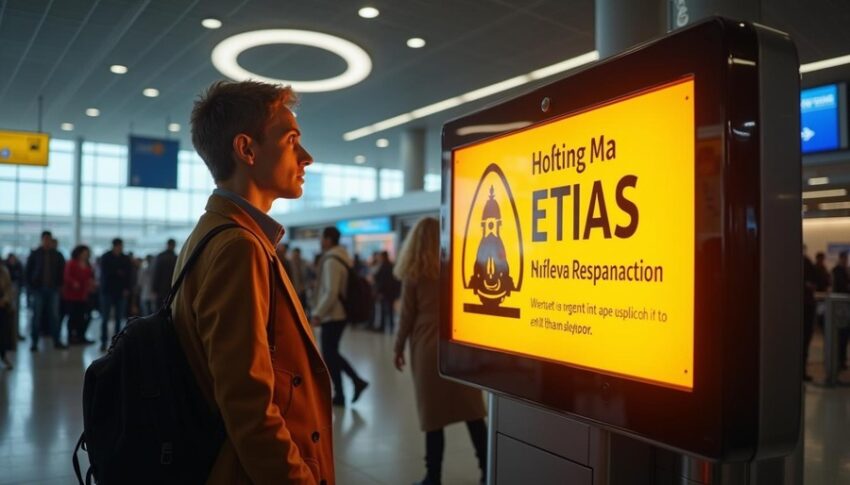
The most significant change is the implementation of the European Travel Information and Authorisation System (ETIAS). If you are planning a trip this year, you’ve likely heard about the new €20 fee, but that is just the tip of the iceberg.
From biometric border kiosks to rising local tourist taxes, here is everything you need to know about the new costs and rules of European travel in 2026.
ETIAS 2026: The Mandatory €20 Entry Requirement
For years, the ETIAS was a “coming soon” project. As of late 2026, it is a reality. Travelers from over 60 visa-exempt countries—including the U.S., UK, Canada, and Australia—now require this digital authorization before they can even board a flight to any of the 30 participating European countries.
Why the Price Jump?
When ETIAS was first proposed, the fee was a modest €7. However, the European Commission officially adjusted the price to €20 per application. This 185% increase was implemented to cover:
- Rising Inflation: Adjusting for the economic shifts since the fee was first set in 2018.
- Enhanced Functionality: The system now features higher encryption and deeper integration with other EU security databases.
- Operational Costs: Funding the 24/7 staff required to manage manual reviews and appeals.
How ETIAS Works
- Validity: Your ETIAS is valid for three years or until your passport expires.
- The Process: You apply online or via a mobile app. Most approvals arrive within minutes, but if the system flags a “hit” (a name match in a security database), the process can take up to 30 days.
- Exemptions: Travelers under 18 and over 70 are exempt from the €20 fee, though they must still complete the application.
The Hidden Costs: Beyond the €20 Fee
While €20 might not break the bank, 2026 has seen a surge in “micro-fees” that can add hundreds of dollars to a family vacation.
1. The “Resale” Scam Sites
Because the ETIAS is mandatory, a new industry of “intermediary” websites has emerged. These sites often look official but charge “service fees” ranging from €50 to €100 on top of the €20 government fee. Only use the official .europa.eu portal.
2. Skyrocketing Tourist Taxes
European cities are using 2026 as a year to combat “overtourism” through the wallet.
- Barcelona: As of April 2026, the city surcharge has risen to €5 per night, with plans to hit €8 by 2029.
- Venice: The “Day Tripper” fee has returned. If you visit on a busy weekend from April to July without an overnight booking, you’ll pay €5 if you book ahead—or €10 if you pay last minute.
- Amsterdam: The city has increased VAT on short-stay accommodation from 9% to 21%, making hotel stays significantly pricier.
- Edinburgh: Launching in July 2026, a 5% Visitor Levy will be added to all accommodation bills.
3. The Biometric Transition (EES)
The Entry/Exit System (EES) is the physical counterpart to the digital ETIAS. By April 10, 2026, every external Schengen border must be fully biometric.
- The “First-Time” Delay: The first time you enter Europe in 2026, you must provide fingerprints and a facial scan. This adds an average of 5–7 minutes per person at border control. For a family of four, that’s nearly 30 minutes of extra queue time—a “hidden cost” of your most valuable resource: time.
Survival Guide: How to Navigate 2026 Rules
Apply 30 Days Out
Don’t wait until the week of your flight. If your ETIAS application requires a manual check, you could be grounded while your paperwork sits in an inbox. Aim to have your approval email printed or saved to your phone at least a month before departure.
Audit Your Passport
ETIAS is digitally linked to your passport. If you lose your passport or it expires, your ETIAS is instantly void. You will have to pay another €20 and go through the approval process again for the new document.
Budget for “Premium” Entry
In 2026, some major landmarks are moving toward dynamic pricing.
- The Louvre (Paris): Entry fees for non-EU residents have climbed to €32.
- The Trevi Fountain (Rome): To manage crowds, a €2 admission fee is being tested starting in early 2026.
Final Thoughts: A More Secure, But More Regulated, Europe
The implementation of ETIAS and the €20 fee signals a permanent shift in global mobility. While it adds a layer of bureaucracy and cost, the goal is a “Smarter Border” that eventually eliminates physical passport stamps and reduces long-term security threats. For the prepared traveler, these changes are merely a checklist item. For the unprepared, they are a reason to be denied boarding at the gate.
Would you like me to help you find the official ETIAS application portal, or would you like a detailed breakdown of the tourist taxes for a specific city like Paris or Madrid?


More Stories
Unveiling the Unexpected Turns of Your Life Journey
Unforgettable Travel Journeys That Will Change Your
The Unwritten Map: A Journey Beyond the Horizon